
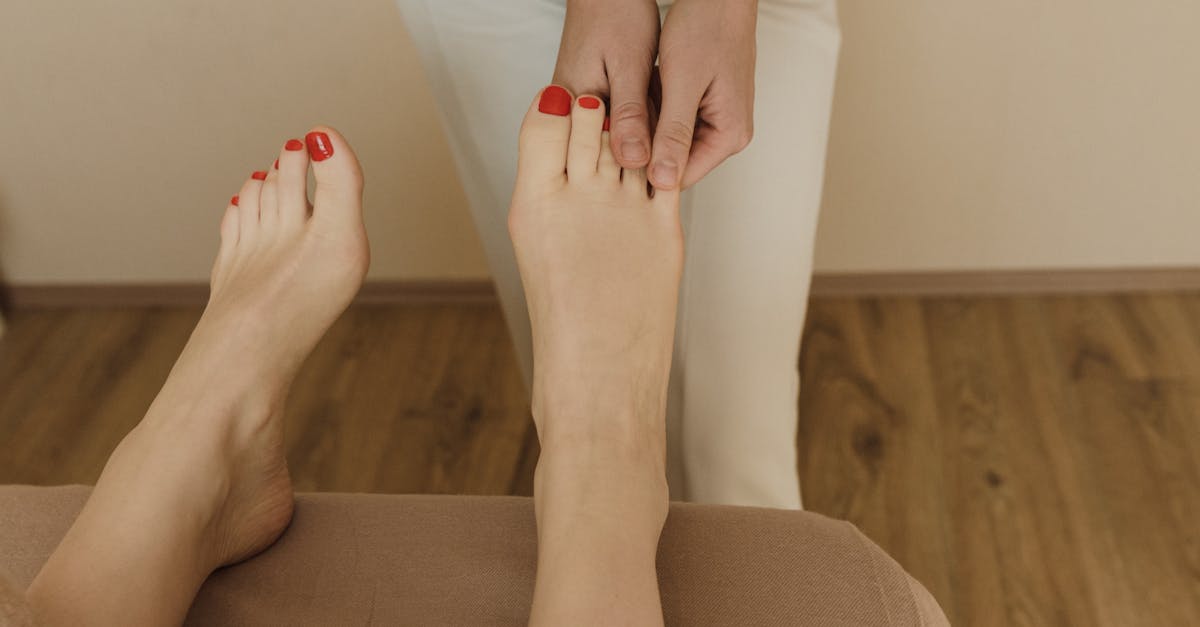
A foot massager can support lymphatic circulation in the lower legs and feet by introducing gentle, rhythmic movement that helps stimulate fluid drainage when the lymphatic system is impaired. Oscillating foot massagers activate the calf muscles through repeated motion, which acts as a mechanical pump to encourage lymph fluid to move upward rather than pooling in the feet and ankles. People living with lymphedema should consult a certified lymphedema therapist or physician before using any massager, as the condition requires careful management and some stages may contraindicate certain therapies. FDA-registered therapeutic foot massagers used at low intensity can be a supportive tool alongside compression garments and manual lymphatic drainage as part of a broader management plan.
Anyone who has watched their ankles swell by the end of a long day knows how uncomfortable fluid buildup can be — but for people living with lymphedema, that swelling is a chronic, daily reality that doesn't resolve with rest alone. A foot massager for lymphedema is one of the more common questions that comes up in lymphedema communities, and for good reason: when manual therapy appointments are limited, having an at-home tool that supports fluid movement can make a meaningful difference. This article covers what lymphedema actually is, how massage and mechanical movement interact with the lymphatic system, what to look for in a therapeutic massager, and how to use one safely as part of your care routine.
What Is Lymphedema and Why Do Feet Swell?
Lymphedema is not simply water retention. It is a condition involving structural damage or dysfunction of the lymphatic system — a network of vessels, nodes, and fluid that runs parallel to the circulatory system and plays a critical role in immune function and fluid balance. Understanding why the feet are so commonly affected helps explain why targeted movement and massage can help.
How the Lymphatic System Works
Unlike blood, which is pumped continuously by the heart, lymph fluid has no dedicated pump. It moves through the body via muscle contractions, breathing, and the one-way valves inside lymphatic vessels. When you walk, your calf muscles squeeze lymphatic vessels in the lower leg, pushing fluid upward toward the torso where it re-enters the bloodstream.
When this system is disrupted — through surgery, radiation, infection, trauma, or congenital abnormality — fluid backs up in the tissues. The result is the characteristic swelling of lymphedema, most commonly appearing in the arms or legs. In the lower extremities, the feet, ankles, and calves are the first areas to show pronounced swelling.
Primary vs. Secondary Lymphedema
There are two main types. Primary lymphedema results from a developmental abnormality in the lymphatic vessels themselves and may appear at birth, during puberty, or in early adulthood. Secondary lymphedema is far more common and results from external damage to the lymphatic system.
- Cancer treatment (lymph node removal or radiation) is a leading cause of secondary lymphedema
- Chronic venous insufficiency can contribute to combined lymphovenous insufficiency
- Infections — particularly filariasis in tropical regions — are a major global cause
- Obesity places sustained mechanical pressure on lymphatic vessels in the lower extremities
- Trauma, burns, or surgery affecting the groin or pelvis can impair drainage pathways for the legs
According to the National Cancer Institute, lymphedema affects a significant portion of cancer survivors who undergo lymph node dissection or radiation therapy, making it one of the most common long-term side effects of cancer treatment.
Stages of Lymphedema
The International Society of Lymphology classifies lymphedema in stages from 0 to 3. In Stage 0 (latent), the lymphatic system is impaired but no visible swelling is present. Stage 1 involves soft, pitting edema that temporarily improves with elevation. Stage 2 brings fibrotic tissue changes and swelling that no longer resolves with elevation alone. Stage 3 (lymphostatic elephantiasis) involves severe tissue changes and is the least common presentation.
This staging matters for massage decisions. Gentle mechanical stimulation is most appropriate for Stage 0 and Stage 1. Stages 2 and 3 require closer medical supervision before introducing any massager. Always confirm the current stage with your lymphedema therapist before adding new interventions.
How Oscillating Massage Supports Lymphatic Flow
Oscillating therapy works through repeated, rhythmic muscle activation — a mechanism that aligns with how the lymphatic system naturally drains during physical activity. The key is consistent, rhythmic movement — not intense pressure — and this is where therapeutic oscillating massagers differ from conventional approaches.
The Muscle Pump Mechanism
The single most important driver of lymphatic flow in the lower extremities is the calf muscle pump. Every time the calf contracts — during walking, stair climbing, or even foot flexion — it squeezes the lymphatic and venous vessels in the lower leg, propelling fluid upward against gravity. For people with limited mobility or those who spend extended periods sitting, this pump operates far less than it should.
An oscillating foot massager replicates this pumping action passively. Repeated foot motion activates the calf muscles, pushing blood and lymph fluid upward instead of letting it pool in the feet. MedMassager uses oscillating technology to deliver deeper, more controlled vibration than conventional massagers, engaging the calf muscle through the kinetic chain rather than simply stimulating the surface of the foot.
Oscillation vs. Compression
Compression garments and pneumatic compression devices work by applying external pressure to squeeze fluid out of the limb. Oscillating massagers work differently — they introduce movement that activates the body's own muscle pump. These two approaches are not mutually exclusive, and many lymphedema management programs use both.
The distinction matters because oscillation is a motion-based stimulus, not a pressure-based one. For people who find compression garments uncomfortable or who need a supportive tool between professional manual lymphatic drainage sessions, a therapeutic foot massager can fill a practical gap in daily management.
What Research Shows on Vibration and Lymphatic Movement
Research into vibration therapy and lymphatic function is an active area of study. Mechanical stimulation of the lower limbs may support lymphatic vessel contractility — the ability of vessels to contract and move fluid — through the same muscle-pump activation that walking provides naturally. The physiological rationale is well-established: movement drives lymphatic flow. Individual results vary, and this research is ongoing.
It is also worth noting what massage does not do for lymphedema. It does not repair damaged lymphatic vessels, and it does not replace the need for complete decongestive therapy when that level of care is indicated. A foot massager is a supportive tool, not a primary treatment for active lymphedema.
What to Look for in a Foot Massager
Not every massager is appropriate for someone managing lymphedema. The intensity, mechanism, and control options matter significantly. Here is what to evaluate before choosing a device.
Oscillation Over Percussion
Percussion massagers deliver sharp, rapid impacts that can be too aggressive for compromised lymphatic tissue and may worsen inflammation in sensitive limbs. Oscillating massagers produce a smooth, wave-like movement that is gentler on tissue while still generating the muscle activation needed to support fluid movement. For people managing lymphedema, this distinction is clinically meaningful.
The MedMassager Foot Massager uses professional-grade oscillating technology with variable speed control, which allows users to start at the lowest intensity and adjust based on their comfort and their therapist's guidance. This level of adjustability is essential for a condition where tolerance can vary day to day depending on swelling levels.
Variable Speed and Hands-Free Operation
A massager with a fixed, single-speed motor is poorly suited to lymphedema management. On days when swelling is pronounced, very gentle stimulation is appropriate. On lower-swelling days, moderate intensity may be tolerable. Look for a massager with a meaningful range of speed settings — fine-grained adjustment is far more useful than a simple low/medium/high switch.
Hands-free operation matters just as much. People managing lower-extremity lymphedema often have limited mobility or may be using the massager while seated. A foot-platform design that operates without requiring the user to hold or position a handheld device is a practical advantage — the user places their feet on the surface and controls the device with a dial or switch.
Durability and Platform Design
- Wide platform surface: accommodates swollen feet and ankles without uncomfortable edges
- Non-slip base: essential for safe use when seated
- Easy-to-clean materials: important for people whose skin integrity may be compromised
- Motor durability: a condition requiring daily management needs a device built for consistent use, not occasional use
You can explore the full range of FDA-registered foot massagers from MedMassager to compare specifications and platform designs.
How to Use a Foot Massager Safely With Lymphedema
Safe use requires a different protocol than you might follow for general foot fatigue. The guidelines below reflect best practices for using a therapeutic massager alongside a lymphedema management program.
Before You Start
- Confirm with your lymphedema therapist or physician that a foot massager is appropriate for your current stage and presentation. This is non-negotiable for Stage 2 or higher.
- Check the affected limb for skin changes, open wounds, active infection, or unusual warmth. Do not use a massager if any of these are present.
- Remove compression garments before use, unless your therapist has specifically advised otherwise.
- Elevate the limb for 10–15 minutes before use if significant swelling is present, to allow some passive drainage before adding stimulation.
During the Session
Start at the lowest speed setting, regardless of how mild your symptoms feel that day. Allow 2–3 minutes at low speed before considering any increase. Most people with lymphedema will remain at low to moderate intensity throughout — the goal is gentle, rhythmic activation, not deep tissue stimulation.
Session duration should start conservatively: 10 minutes is a reasonable starting point. If no adverse response occurs over 1–2 weeks, sessions can be extended to 15–20 minutes under therapist guidance. Use the MedMassager Foot Massager on a firm, flat surface with your feet positioned comfortably on the platform.
After the Session
- Elevate the limb for 10–15 minutes post-session to support continued drainage
- Reapply compression garments after the elevation period, per your standard protocol
- Monitor the limb for increased swelling, redness, or skin changes over the following 24 hours
- Log your sessions — noting speed used, duration, and any symptom changes — to share with your therapist at follow-up appointments
Frequency
For most people in the maintenance phase of lymphedema management, daily use at low intensity is well-tolerated. During acute flares or periods of increased swelling, reduce frequency and consult your therapist before resuming. Consistency matters more than session length — brief daily sessions support the lymphatic system's natural rhythm better than infrequent long sessions.
Special Considerations for Specific Populations
Lymphedema After Cancer Treatment
For cancer survivors whose lymphedema developed following lymph node removal or radiation, the lymphatic drainage pathways in the lower body may be permanently altered. The standard drainage route from the foot travels up through the inguinal (groin) nodes — if those nodes have been removed, fluid must reroute through collateral pathways. A lymphedema therapist uses manual lymphatic drainage techniques that redirect fluid toward intact nodes.
Mechanical massage cannot replicate this rerouting, but it can still support fluid movement within the limb itself. People in active cancer treatment should not use any massager without explicit physician approval. For those in stable remission managing chronic lymphedema, a therapeutic massager used under therapist guidance is generally considered a reasonable adjunct tool.
Lymphedema and Diabetes
Diabetic peripheral neuropathy reduces sensation in the feet, which creates a significant safety consideration. If you cannot reliably feel whether the massager intensity is too high, you risk tissue damage without realizing it. For people managing both diabetes and lymphedema, start at the absolute lowest speed setting and have a caregiver or family member check the skin of the foot during and after use.
The underlying mechanism — repeated foot motion activating the calf muscles to push blood and lymph fluid upward — remains beneficial for diabetic lower-extremity management. It simply requires more careful monitoring than it would for someone with intact sensation.
Older Adults
Age-related decreases in lymphatic vessel contractility make lymphedema more common in older adults, particularly those with limited mobility. For this population, a hands-free foot massager platform is often the most practical option, as it requires no manual dexterity to operate and can be used while seated in a chair or wheelchair. Skin fragility is an additional consideration — keep sessions short initially and inspect the skin carefully after each use.
Frequently Asked Questions
Is it safe to use a foot massager if you have lymphedema?
Using a foot massager with lymphedema can be safe when done at low intensity under the guidance of a certified lymphedema therapist or physician. The appropriateness depends on the stage and presentation of the condition — Stage 0 and Stage 1 are generally more amenable to gentle mechanical stimulation, while Stage 2 and 3 require closer medical supervision. Never use a massager over skin that is broken, infected, or unusually warm.
Can massage make lymphedema worse?
Improper massage technique or excessive intensity can temporarily worsen swelling in a lymphedematous limb by overwhelming the impaired lymphatic vessels. Deep tissue massage applied directly to a swollen limb without proper drainage technique is not appropriate for active lymphedema. Gentle, rhythmic stimulation designed to activate the muscle pump is a very different approach and is generally safer when used correctly and conservatively.
How does a foot massager help with fluid buildup in the legs?
An oscillating foot massager introduces rhythmic movement that activates the calf muscles, which act as a mechanical pump for both venous blood and lymph fluid. When the calf contracts, it compresses the vessels in the lower leg and propels fluid upward toward the trunk. This replicates, in a passive way, what walking does naturally — making it particularly useful for people with limited mobility who cannot generate this pump action through normal activity.
What is the difference between lymphedema and regular leg swelling?
Regular leg swelling from prolonged sitting, heat, or minor venous insufficiency typically resolves with elevation and is not caused by structural lymphatic damage. Lymphedema is a chronic condition involving impaired or damaged lymphatic vessels that cannot be corrected simply by rest or elevation, particularly in later stages. Over time, lymphedema also tends to produce a characteristic tissue texture change — the skin may feel firmer or fibrous compared to the softer, pitting quality of simple edema.
Should I use a foot massager before or after compression therapy?
Most lymphedema specialists recommend removing compression garments before using a foot massager and reapplying them after a post-session elevation period of 10–15 minutes. This allows the massager to activate the muscle pump without the garment interfering with the movement stimulus, and the elevation period afterward supports fluid drainage before compression is reapplied. Always confirm this sequencing with your lymphedema therapist, as individual protocols may vary.
How long should I use a foot massager if I have lymphedema?
Starting with 10-minute sessions at the lowest intensity is a prudent approach when first incorporating a foot massager into a lymphedema management routine. After 1–2 weeks of use without adverse response, sessions can gradually extend to 15–20 minutes if your therapist agrees. Daily use is generally more beneficial than infrequent longer sessions, as the lymphatic system responds best to consistent, gentle stimulation rather than periodic intense treatments.
Can a foot massager replace manual lymphatic drainage?
A foot massager cannot replicate manual lymphatic drainage (MLD), which is a specialized hands-on technique performed by trained therapists to redirect fluid toward functioning lymph nodes using precise, light-pressure strokes that follow specific drainage pathways. A mechanical device cannot reroute fluid around damaged areas the way MLD can. A therapeutic foot massager is best understood as a supportive between-sessions tool that helps maintain fluid movement, not a substitute for professional lymphatic therapy.
The Bottom Line on Foot Massagers and Lymphedema
Managing lymphedema is a long-term commitment, and the most effective approaches combine professional care with consistent daily habits. A foot massager for lymphedema is not a treatment — but as part of a supervised management program, gentle oscillating stimulation can support the calf muscle pump, encourage lymphatic flow, and make the hours between therapy appointments more manageable.
The key principles are gentle, consistent, and guided. Choose a massager with variable speed control, start at the lowest setting, and always work within the parameters your lymphedema therapist or physician establishes for your specific stage and presentation.
MedMassager's professional-grade oscillating foot massagers are designed for people who need a reliable, adjustable therapeutic tool they can use daily. Explore the full range of MedMassager therapeutic foot massagers — or browse the complete MedMassager product collection to find the right tool for your care routine.
This content is for informational purposes only and is not intended as medical advice, diagnosis, or treatment. Always consult a qualified healthcare professional before starting any new treatment or therapy. MedMassager products are FDA-registered Class I medical devices.


