
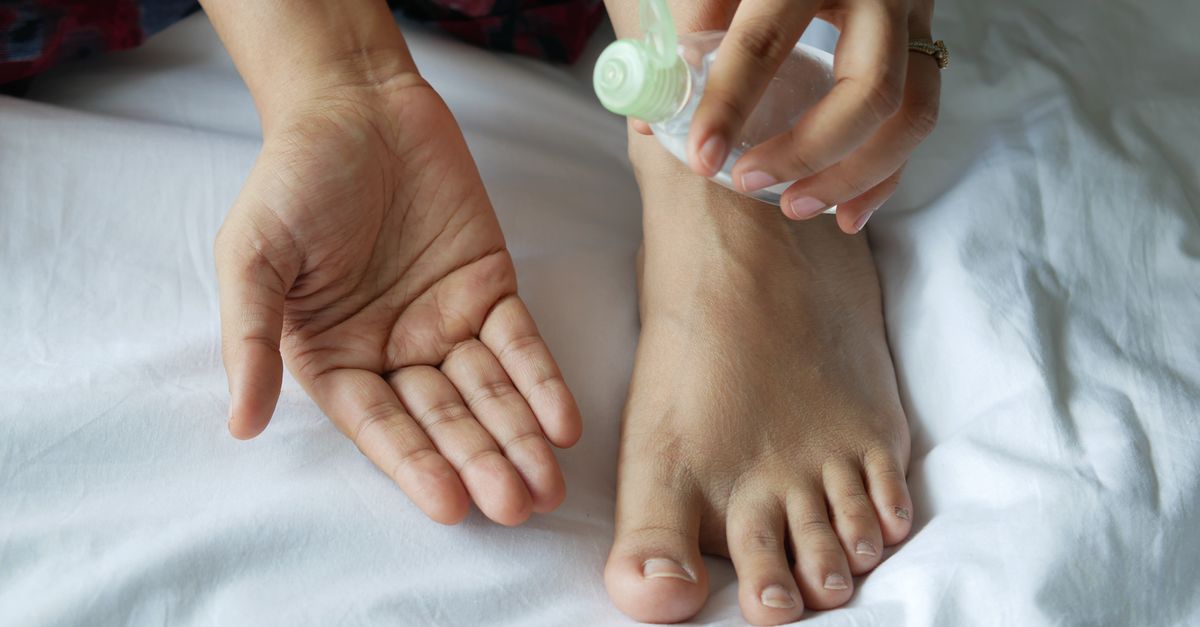
You should not use a foot massager on a diabetic foot ulcer or any open wound on the feet. Diabetic foot ulcers need assessment and care from wound-care professionals such as a podiatrist or a wound care clinic, and the pressure, friction, and motion of a massager platform can disturb fragile healing tissue. After an ulcer has fully closed, a foot massager can return to your routine only with your clinician's approval, starting with short, seated, low-intensity sessions and a skin check before and after each use.
Maybe your podiatrist just found a small sore on the ball of your foot, or you noticed a spot on your sock that wasn't there yesterday. If you already use a therapeutic massager, the question of how a foot massager and diabetic foot ulcers fit together comes up fast. While the wound is open, they don't fit together at all. A diabetic foot ulcer is a medical wound that belongs under professional care, and no massager belongs on it.
This guide is for people living with diabetes who use or are considering a foot massager, and for the family members who help with their foot care. It isn't a general guide to circulation or a full daily foot care plan, since those topics have their own articles. The focus here is ulcer safety. You'll learn why ulcers form, why a massager stays off an open wound, how to check your feet each day, how to approach a return to massage after healing, and which sock and hygiene habits matter most.
What Causes Diabetic Foot Ulcers?
A diabetic foot ulcer is an open sore or wound, most often on the bottom of the foot, that forms when skin breaks down and doesn't heal the way it normally would. Ulcers rarely have a single cause. They usually develop when reduced sensation, reduced blood flow, and repeated pressure combine.
Neuropathy Hides Small Injuries
Mayo Clinic describes diabetic neuropathy as a type of nerve damage that can occur with diabetes, most often affecting the legs and feet. When sensation fades, the warning system that normally tells you something is wrong goes quiet. A pebble in a shoe, a blister from a new pair of sneakers, or a crack in the heel can go unnoticed for days.
That delay is the real danger. You keep walking on the injury, the tissue takes repeated pressure, and a minor blister can deepen into an open wound before you feel anything at all.
Reduced Blood Flow Slows Healing
Diabetes is closely linked with peripheral artery disease, a narrowing of the arteries that carry blood to the legs and feet. Less blood flow means less oxygen and fewer nutrients reaching damaged skin. As a result, wounds on the feet tend to heal slowly and are more vulnerable to infection.
Persistently high blood sugar adds to the problem by affecting how the body responds to infection. This is why a wound that would close in a week on a healthy foot can linger for much longer on a diabetic foot.
Pressure and Friction Points
Ulcers tend to form where the foot takes the most pressure or rubs against footwear. Common locations include:
- The ball of the foot, beneath the long bones that connect to the toes
- The underside of the big toe
- The tips and tops of the toes, especially with hammertoes or other deformities
- The heel, particularly in people who spend long periods in bed
- The sides of the foot, where tight shoes rub
Thick calluses deserve special attention. Skin can break down underneath a callus while the surface still looks intact, so a callus with a dark spot or drainage should be seen by a podiatrist.
Foot Massager Use With Diabetic Foot Ulcers
The rule is simple and has no exceptions: a foot massager is not used on an open wound or ulcer. This applies to any break in the skin, including blisters that have opened, deep cracks, and wounds that are partly healed but not fully closed.
Why the Wound Must Stay Off the Platform
The MedMassager Foot Massager oscillates in a circular motion beneath the soles while you sit with your feet resting on the platform. That repeated movement, combined with the weight of your foot, is designed for intact skin. On an open wound, it creates several problems:
- It places pressure on the exact area your care team is trying to keep pressure off, which works against offloading
- Friction and shear can tear the fragile edges of a healing wound
- Movement can shift or loosen dressings
- Contact with the platform can introduce bacteria to the wound or transfer drainage to the unit
There is also a quieter risk. Using a massager can feel like you're doing something for your feet, which may delay the professional visit an ulcer actually needs.
What Ulcers Need Instead
Diabetic foot ulcers are managed by wound-care professionals. That team may include a podiatrist, a wound care nurse, a vascular specialist, and the physician who manages your diabetes. Ulcer care typically involves cleaning the wound, removing dead tissue, controlling infection, checking blood flow, and reducing pressure on the area with special footwear, boots, or casts.
None of these steps can be replaced by massage. If you have an open sore on your foot, call your healthcare provider promptly rather than waiting to see whether it closes on its own.
What About the Other Foot?
Some people want to keep massaging the unaffected foot. For people managing diabetes, repeated foot motion activates the calf muscles, pushing blood upward instead of letting it pool in the feet, so the impulse is understandable. Still, don't decide this on your own. Ask your wound care team directly, because offloading boots, dressings, and positioning can all change the answer.
For a broader look at circulation and safety before an ulcer is ever part of the picture, see our guide on using a foot massager safely for diabetic circulation.
How Oscillation Works on Healthy, Intact Skin
Understanding what a massager does helps clarify where it fits and where it doesn't. A foot massager is a tool for moving the muscles of the feet and lower legs. It is not a wound treatment, and it doesn't make skin heal faster.
The Mechanism Behind the Motion
If you've searched for a vibration foot massager, you probably want something that keeps your legs moving during long periods of sitting. MedMassager uses oscillating technology to deliver deeper, more controlled vibration than conventional massagers. The Foot Massager oscillates in a circular motion across an open flat platform, with adjustable intensity settings and seated use only.
For people with neuropathy, that continuous, repetitive movement engages the muscles of the feet and calves and helps keep blood flowing when natural movement is limited. The MedMassager Foot Massager is an FDA-registered Class I medical device with adjustable intensity settings, so each session can be matched to what your clinician approves. You can compare models in our collection of therapeutic foot massagers.
Designed For and Not Designed For
Every mechanism above assumes the skin on your feet is whole. A clear way to think about it:
- Appropriate: intact skin, seated use, settings your clinician has approved
- Not appropriate: open wounds, active ulcers, blisters, signs of infection, recent foot surgery, or any undiagnosed red, hot, swollen foot
Daily Foot Checks for Ulcer Warning Signs
Because neuropathy can hide injuries, your eyes have to do the work your nerves no longer can. A daily foot check is the most practical habit for catching skin breakdown early. If you use a massager, the check also becomes a gate: no session until your feet have passed it.
What to Look For
Check the tops, bottoms, heels, and the spaces between each toe. Look for:
- Blisters, cuts, scrapes, or cracks
- Calluses with dark spots, bleeding, or fluid underneath
- Areas of redness, warmth, or swelling
- Changes in skin color, including pale, blue, or darkened patches
- Ingrown or thickened toenails
- Spots of blood or fluid on your socks
How to Check When Sight or Reach Is Limited
Use good lighting and a hand mirror, or set a mirror on the floor to see the soles. If vision or flexibility makes this difficult, ask a family member to help. Light-colored socks also serve as a backup, since drainage shows up clearly at the end of the day.
Run your hand along the inside of your shoes before putting them on to find stones, rough seams, or worn spots. The Foot Massager oscillates in a circular motion directly under the sole, and on intact skin that repeated movement engages the foot and calf muscles and supports blood flow. Any break in the skin there would take that same repeated pressure, which is why the check comes first. For a complete day-to-day plan beyond ulcer screening, see our at-home diabetic foot care routine.
When to Call Your Care Team Right Away
Stop using any massager and contact your healthcare provider promptly if you notice:
- An open sore or a blister that has broken
- Pus, cloudy drainage, or a foul odor
- Redness, warmth, or swelling that is spreading
- Black or very dark tissue
- Fever or chills alongside any foot change
- A red, hot, swollen foot without an obvious wound, which can signal Charcot foot and needs urgent evaluation
Returning to a Foot Massager After Healing
Once an ulcer closes, the new skin over it is thinner and more fragile than the skin around it. A healed ulcer site stays vulnerable, and ulcers can return in the same spot. That's why getting back to a massager routine should be deliberate, slow, and approved by the person managing your wound care.
Questions to Ask Your Clinician First
Bring specific questions to your follow-up visit so the approval is clear. Ask whether massage is appropriate for you now, how long sessions should be, which intensity to start at, and whether any area of the foot should be kept off the platform. Also ask whether your prescribed footwear or inserts change anything about seated massager use.
A Gradual Restart Routine
With your clinician's approval in hand, a careful restart looks like this:
- Inspect both feet in good light, paying close attention to the healed site.
- Sit in a stable chair and rest your feet flat on the platform. Never stand on the unit.
- Choose the lowest intensity setting.
- Keep early sessions short, around five minutes, unless your clinician sets a different limit.
- Inspect your feet again afterward. Redness that lingers rather than fading quickly is a signal to stop and check in with your care team.
- If your skin stays intact, increase time or intensity in small steps over several weeks.
- Stop immediately and call your provider if the healed area changes color, opens, or drains.
The goal of this routine is simple movement on healthy skin. Repeated foot motion activates the calf muscles, pushing blood upward instead of letting it pool in the feet. If you're choosing a unit for this stage, look for oscillating foot massagers with adjustable intensity settings so you can start low and build gradually.
Socks, Hygiene, and Massager Care
Small daily habits around socks and cleanliness protect the skin long before a massager enters the picture. They matter even more after an ulcer has healed.
Choosing the Right Socks
Good diabetic socks keep feet dry, reduce friction, and make problems easier to spot. Look for socks that are:
- Moisture-wicking, so sweat doesn't soften the skin
- Seamless or flat-seamed, to avoid rubbing over the toes
- Non-binding at the top, so they don't leave deep marks on the leg
- Light in color, so blood or drainage is visible
Change socks daily, or sooner if they get damp. Ask your clinician whether to wear thin, clean socks during massager sessions. The circular oscillating action of the platform creates continuous, repetitive movement in the foot and calf, which supports circulation during use, and a smooth sock layer can reduce friction between that motion and your skin. Thick or bunched socks, on the other hand, can create pressure folds, which matters for anyone with neuropathy who may not feel a fold forming.
Keeping Feet and the Platform Clean
Wash your feet daily in lukewarm water. Neuropathy can make it hard to judge temperature, so test the water with your elbow or a thermometer first. Dry thoroughly, especially between the toes, and moisturize the tops and bottoms of the feet but not between the toes, where trapped moisture can encourage fungal infections.
Keep the massager platform clean by wiping it according to the instructions that come with your unit, and wipe it between users if more than one person in your household uses it. Never use the unit with wet feet. If you're comparing options for your home, you can browse the full range of MedMassager therapeutic massagers.
Frequently Asked Questions
Can I use a foot massager if I have a diabetic foot ulcer?
No, a foot massager should not be used on an open ulcer or any break in the skin. The platform oscillates in a circular motion beneath the sole, adding pressure, friction, and movement to tissue that needs to be protected and offloaded. Contact your healthcare provider about the ulcer and ask your wound care team before using a massager on either foot.
How long after a foot ulcer heals can I use a foot massager?
There is no fixed timeline, so the decision belongs to the clinician who managed your ulcer. Newly healed skin is thin and fragile, and the oscillating platform places repeated movement and pressure under the sole. Once you have approval, start with short, low-intensity, seated sessions and check the healed area before and after each one.
What does a diabetic foot ulcer look like?
A diabetic foot ulcer usually looks like an open sore or crater in the skin, often on the ball of the foot, the big toe, or the heel. It may have redness around it, drainage, or a dark or callused border. Because neuropathy can make ulcers painless, many are first noticed as a stain on a sock rather than as pain.
Who treats diabetic foot ulcers?
Diabetic foot ulcers are typically managed by podiatrists, wound care nurses, and specialized wound care clinics. A vascular specialist may be involved if blood flow to the foot is reduced, and the physician managing your diabetes plays a role in overall care. Your primary care provider can refer you if you don't already have a podiatrist.
Should people with diabetes wear socks when using a foot massager?
Thin, clean, seamless socks can reduce friction between the skin and a platform that oscillates in a circular motion, while still letting that movement engage the muscles of the feet and calves. Thick or bunched socks can create pressure folds, which is a concern if neuropathy limits sensation. Ask your clinician which option suits your feet, especially after a healed ulcer.
Why do diabetic foot ulcers heal so slowly?
Reduced blood flow from narrowed arteries limits the oxygen and nutrients reaching the wound. Persistently high blood sugar affects how the body fights infection, and neuropathy means people may keep walking on the wound without realizing it. Professional offloading and wound care address these factors, which is why early treatment matters.
Bottom Line on Foot Massagers and Ulcers
With a foot massager and diabetic foot ulcers, the rule is firm: the massager stays off any open wound, and ulcers go to wound-care professionals. Daily foot checks, good socks, and careful hygiene are what catch problems early.
After healing, and only with your clinician's approval, a seated foot massager can return to your routine, where repeated foot motion activates the calf muscles and pushes blood upward instead of letting it pool in the feet. MedMassager's oscillating Foot Massagers are FDA-registered Class I medical devices with adjustable intensity for a gradual restart. When you and your care team are ready, explore the MedMassager Foot Massager collection.
This content is for informational purposes only and is not intended as medical advice, diagnosis, or treatment. Always consult a qualified healthcare professional before starting any new treatment or therapy. MedMassager products are FDA-registered Class I medical devices.


