
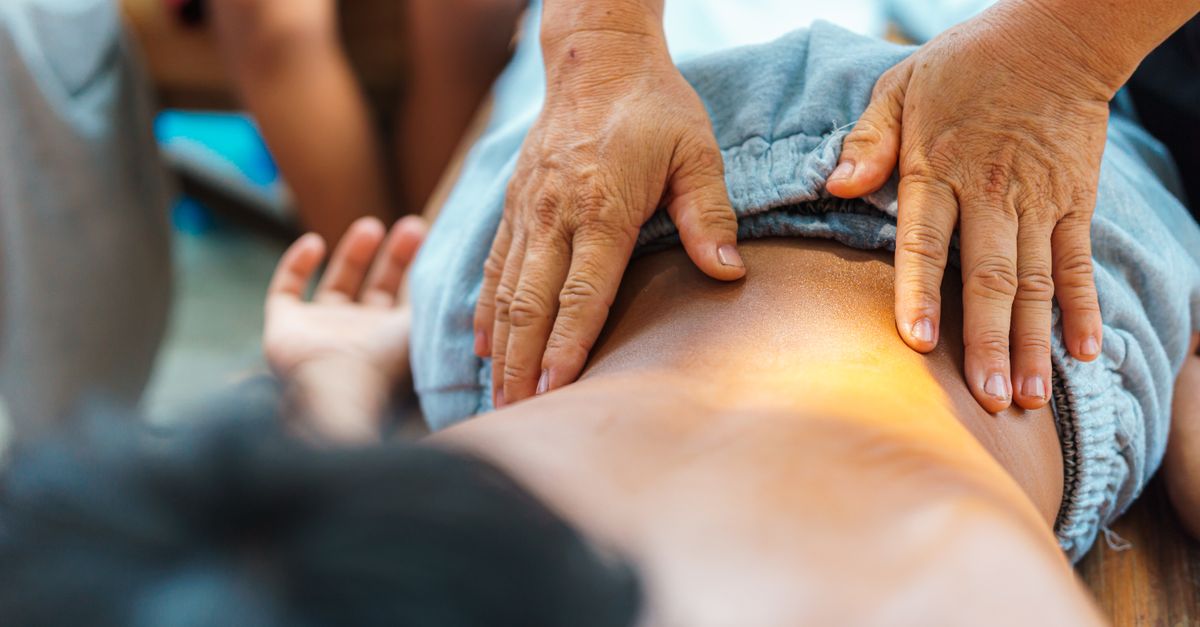
Calf massager benefits include improved circulation through the lower legs, reduced muscle tension and post-exercise soreness, relief from leg heaviness and swelling, and support for people managing poor venous return or sedentary lifestyles. Regular calf massage stimulates the soleus and gastrocnemius muscles, activating the calf muscle pump that pushes blood back toward the heart. Devices range from air compression boots and percussion guns to oscillating foot platforms, each delivering these benefits through a different physical mechanism. Choosing the right type depends on your primary goal — whether that's post-flight recovery, chronic leg fatigue, or daily circulation support.
You've stepped off a long flight and your calves feel like concrete. Or maybe you've spent another eight-hour shift on your feet, and by evening your legs ache with that dense, heavy fatigue that doesn't fully resolve overnight. These aren't random complaints — they're symptoms of a calf muscle pump that's been overworked or underused, depending on your day. If you've been researching calf massager benefits, you've likely encountered a confusing mix of devices: compression boots, sleeves, percussion guns, and platforms, each promising relief through a completely different mechanism. This guide breaks down how each type works, what the research actually supports, and which device makes the most sense for your specific goal — whether that's post-travel recovery, chronic leg heaviness, or daily circulation support at your desk.
Why Your Calves Need Targeted Support
The calf isn't just a muscle group — it functions as a secondary heart. Understanding this makes calf massager benefits far more concrete than "feel-good recovery."
The Calf Muscle Pump
Your heart pumps oxygenated blood down to your feet with relative ease — gravity helps. The challenge is getting that blood back up. Deoxygenated blood and lymphatic fluid have to travel upward against gravity through a system of one-way valves in the veins. The primary driver of this return flow is muscular contraction in the calves.
When the soleus and gastrocnemius contract — during walking, climbing stairs, or any active movement — they compress the deep veins of the lower leg, pushing blood upward. This is the calf muscle pump. When it functions well, circulation through the lower extremities is efficient. When it doesn't, blood and fluid stall.
What Happens When the Pump Underperforms
Prolonged sitting, standing in place, or long-haul travel all reduce calf muscle activation significantly. The result is venous pooling — blood and lymphatic fluid accumulating in the lower legs. Common symptoms include:
- Heaviness or aching in the calves and lower legs
- Visible or palpable swelling around the ankles
- Leg cramps, particularly at night
- Fatigue that persists even after rest
- Tightness or stiffness along the back of the lower leg
For people managing chronic venous insufficiency, varicose veins, or lymphedema, these symptoms are more pronounced and persistent. Even healthy individuals experience measurable venous pooling after as little as two to three hours of uninterrupted sitting, according to research in circulatory physiology literature.
Why Muscle Tightness Compounds the Problem
Muscle tension in the calf doesn't just cause soreness — it can mechanically restrict venous return by limiting ankle range of motion and reducing how fully the muscle contracts and relaxes. Tight calves also alter gait mechanics, which reduces the natural walking-driven pump activation most people rely on without realizing it. Massage addresses both issues: it releases myofascial tension and stimulates the circulatory response that manual movement would otherwise provide.
How Calf Massage Improves Circulation and Recovery
The benefits of calf massage aren't purely anecdotal. There are well-documented physiological mechanisms behind why mechanical stimulation of the calf produces measurable improvements.
Direct Circulatory Effects
Mechanical compression and movement of calf tissue — whether from hands, a device, or oscillation — mimics the effect of muscular contraction. It compresses deep veins, displacing pooled blood upward, and stimulates local capillary dilation, increasing blood flow through the tissue itself. The result is improved oxygen and nutrient delivery to muscle fibers, faster clearance of metabolic waste products, and reduced edema.
For people managing conditions that limit natural movement — including neuropathy, post-surgical recovery, or extended travel — this externally-driven circulation support is particularly valuable. Repeated foot and calf motion activates the calf muscles, pushing blood upward instead of letting it pool in the lower leg.
Myofascial Release and Muscle Recovery
Beyond circulation, calf massage addresses the mechanical state of the muscle tissue itself. Sustained pressure and movement break down adhesions in the fascia — the connective tissue that wraps muscle fibers — and help restore normal muscle extensibility. Studies on post-exercise recovery consistently show that massage reduces delayed onset muscle soreness (DOMS) and accelerates perceived recovery, even when objective markers like creatine kinase levels show modest changes.
Neurological Relaxation Response
Massage also triggers the parasympathetic nervous system, reducing cortisol and muscle guarding. This is why even a few minutes of calf massage produces a noticeable reduction in the subjective sense of leg heaviness — it's not only about blood flow. The nervous system interprets sustained mechanical input as a signal to downregulate tension in the affected area.
Calf Massager Types: Benefits and Best Use Cases
Not all calf massagers work the same way. Here's an honest breakdown of the main device categories, what each does well, and where each falls short.
Air Compression Boots
Air compression devices wrap around the lower leg and inflate in sequential chambers, squeezing from the foot upward toward the knee. They closely mimic the calf muscle pump mechanism and are widely used in clinical and athletic settings for post-event recovery and venous return support.
- Benefits: Effective at reducing post-exercise swelling, supporting lymphatic drainage, and improving venous return during passive rest. Strong evidence base for use after prolonged standing or flight travel.
- Limitations: High cost (quality units typically run $300–$800+), bulky and not portable, require a power source, and deliver no deep muscle tissue work. They move fluid but don't address muscle tension or fascial restriction.
- Best for: Athletes managing significant post-event swelling, people with diagnosed lymphedema or chronic venous insufficiency, post-surgical recovery (with physician guidance).
Percussion Massage Guns Applied to Calves
Handheld percussion devices deliver rapid, focused impacts to muscle tissue. Applied to the calf, they can address focal muscle knots and surface-level tension.
- Benefits: Portable, fast, and effective for addressing specific tight spots in the gastrocnemius. Good for pre-activity warm-up or post-workout spot treatment.
- Limitations: Require you to hold and maneuver the device yourself, which is awkward for the back of the calf. They don't address the broader circulation issue — they work on tissue quality rather than venous return. Overuse or incorrect pressure near the Achilles or medial/lateral tendons carries injury risk.
- Best for: Athletes or active individuals targeting specific calf muscle soreness or pre-exercise activation. Not well-suited for daily passive circulation support or people with limited mobility.
Calf Sleeves and Compression Wraps
Graduated compression sleeves apply passive, sustained pressure to the calf without any mechanical movement. They're the most accessible and affordable option.
- Benefits: Effective during long travel, extended standing, or as a daytime tool for managing chronic leg heaviness. Easy to use, widely available, no power required.
- Limitations: Passive — they support venous return but don't actively improve it the way muscle activation or mechanical movement does. Benefit is lost the moment the sleeve is removed if the underlying circulation issue isn't addressed. Also uncomfortable in warm weather for extended wear.
- Best for: Daily management during activity, flight travel, and as a complement to other approaches rather than a standalone solution.
Oscillating Foot Platforms: Calf Activation from the Ground Up
This is where MedMassager's approach stands apart from every other category. Rather than applying direct pressure to the calf, an oscillating foot platform drives calf activation indirectly — through the foot.
When your feet rest on an oscillating surface, the rhythmic movement travels upward through the ankle and into the soleus and gastrocnemius. This triggers the calf muscle pump without requiring you to walk or actively contract the muscle. The result is continuous, passive calf activation that drives venous return from the foot all the way up through the lower leg.
The MedMassager Foot Massager uses oscillating technology to deliver deeper, more controlled vibration than conventional massagers — a meaningful difference when the goal is penetrating the tissue depth where the calf pump mechanism actually operates. Calf activation pushes blood upward, supporting blood flow through the entire lower leg during what would otherwise be a completely sedentary session. For people who sit at a desk for hours or who can't comfortably stand and walk, this mechanism provides consistent circulatory support throughout the day.
Choosing the Right Calf Massager for Your Goal
The best device depends entirely on what you're trying to solve. Here's a practical framework.
For Post-Flight or Post-Travel Recovery
After long-haul travel, your calves have been largely immobile for hours. Blood and fluid have pooled in the lower legs, and the venous system needs to be re-engaged. Both compression boots and oscillating foot platforms are effective here. A 15–20 minute session on a therapeutic foot massager immediately after a long flight can support venous return without requiring anything more strenuous than sitting in a chair.
For Chronic Leg Heaviness or Desk-Related Fatigue
If your primary complaint is the persistent heaviness that builds over a sedentary workday, an oscillating platform is the most practical solution. It works passively — you rest your feet on it while working, and the calf muscle pump activates continuously. Compression sleeves can supplement this during the day, but they don't generate active movement the way oscillation does.
For Post-Exercise Muscle Recovery
Athletes and active individuals dealing with DOMS, post-run calf soreness, or pre-activity tightness will find percussion guns useful for spot treatment. For broader recovery and circulation support after a hard training session, combining compression therapy with an oscillating platform session addresses both muscle tissue quality and venous return.
For Managing Conditions Like Neuropathy or Poor Circulation
People living with peripheral neuropathy, diabetes-related circulation issues, or chronic venous insufficiency need consistent, daily circulation support — not just occasional post-exercise recovery. For this population, a device that can be used passively for extended daily sessions is far more practical than tools requiring active user effort. Continuous movement helps keep blood flowing through the feet and calves when natural movement is limited. The MedMassager therapeutic massager range is built for exactly this use case — professional-grade oscillation at clinic-level intensity, designed for people managing real medical needs, not just athletic recovery.
How to Use a Calf Massager Effectively
Getting the most out of any calf massager requires more than switching it on. Duration, frequency, and timing all influence outcomes significantly.
General Usage Guidelines
- Start with 10–15 minutes per session and assess your response before extending. This is particularly important for people with compromised circulation or sensitivity.
- Use consistently — daily use produces better long-term outcomes than occasional intensive sessions. Circulation benefits compound with routine.
- Elevate your legs for 5–10 minutes afterward when your primary goal is reducing swelling. Gravity assists the venous return the massage has initiated.
- Stay hydrated. Increased circulation mobilizes metabolic waste products, and adequate hydration supports their clearance.
- Time sessions strategically — using a foot platform massager during an afternoon work session, for example, prevents the buildup of heaviness rather than just treating it after the fact.
Using an Oscillating Foot Platform for Calf Activation
Position your feet flat on the oscillating surface and allow your legs to rest naturally. The movement travels upward from the foot without any effort on your part. You can use lower intensity settings for longer passive sessions or increase intensity for more active calf engagement. The MedMassager Foot Massager offers variable speed settings that let you dial in the right level of stimulation — from gentle passive activation during desk work to more vigorous oscillation for post-activity recovery.
When to Avoid or Modify Use
Certain conditions require extra caution with calf massage devices:
- Active deep vein thrombosis (DVT) — seek physician clearance before using any compression or massage device
- Open wounds, active inflammation, or acute injury to the lower leg
- Severe peripheral artery disease — reduced arterial flow requires individualized medical guidance
- Recent lower limb surgery — always follow your surgeon's post-operative protocol
If you're managing any of these conditions, consult your healthcare provider before starting a calf massager routine.
Frequently Asked Questions
What are the main benefits of using a calf massager daily?
Daily calf massager use supports venous return by activating the calf muscle pump, reducing the pooling of blood and lymphatic fluid in the lower legs. Over time, consistent use can reduce chronic leg heaviness, improve circulation through the feet and calves, and decrease the frequency of leg cramps and nighttime restlessness. People who sit for extended periods or have limited mobility tend to notice the most significant improvement with regular daily sessions.
Can a foot massager help with calf circulation?
Yes — an oscillating foot massager activates the calf muscle pump indirectly by introducing rhythmic movement through the foot and ankle, which travels up into the soleus and gastrocnemius. This repeated muscle activation pushes blood upward from the lower leg, supporting circulation through the calf without requiring active walking or exercise. The mechanism makes oscillating foot platforms particularly useful for people who need passive, continuous calf circulation support during desk work or rest.
How long should you use a calf massager per session?
Most people benefit from 15–20 minute sessions — long enough to stimulate meaningful venous return and myofascial relaxation without overstimulating sensitive tissue. Passive oscillating platform sessions can run 30 minutes or more for people using them during desk work or rest. For post-exercise recovery, two sessions of 10–15 minutes — one immediately after activity and one before bed — is a common and effective approach.
Is a calf massager good for leg swelling after flying?
Calf massagers are well-suited for managing post-flight leg swelling because they directly address the mechanism behind it — venous pooling caused by prolonged inactivity. Oscillating foot platforms and air compression devices both drive venous return and encourage the clearance of accumulated fluid. Using a calf massager for 15–20 minutes after a long flight, ideally with legs slightly elevated, helps re-engage the circulatory system more quickly than rest alone.
What is the difference between vibration and oscillation in a calf massager?
Conventional vibrating massagers produce rapid, surface-level tremor that primarily stimulates superficial nerve endings and skin-level tissue. Oscillating massagers use a deeper, controlled back-and-forth motion that penetrates further into the muscle, more effectively activating the calf muscle pump and increasing blood flow through the deeper venous structures. For people targeting genuine circulatory improvement rather than surface-level sensation, that distinction matters.
Can a calf massager help with restless legs?
Many people managing restless legs syndrome (RLS) report that calf massage and lower-leg stimulation reduce the urge-to-move sensations that characterize the condition, particularly in the evenings. Continuous oscillation introduces low-level movement in the legs, helping prevent the prolonged stillness that tends to trigger RLS symptoms. Anyone using a massager to manage RLS symptoms should do so as part of a broader plan developed with their physician, particularly if symptoms are severe or disruptive to sleep.
Who benefits most from using a calf massager?
People who spend long hours sitting or standing, frequent travelers, and those managing chronic venous insufficiency or leg heaviness tend to see the greatest benefit from regular calf massager use. Individuals with limited mobility who can't rely on natural walking to activate the calf pump are also strong candidates, as are athletes dealing with post-training soreness and people managing conditions like peripheral neuropathy or poor lower-limb circulation.
The Bottom Line on Calf Massager Benefits
Calf massager benefits are grounded in real physiology — the calf muscle pump is central to venous return, and anything that activates or supports it produces measurable improvements in circulation, swelling, and muscle recovery. Whether you're recovering from a transatlantic flight, managing chronic leg heaviness from desk work, or supporting circulation affected by a medical condition, there's a device type that fits your situation.
For passive, daily circulation support that works while you sit, an oscillating foot platform remains one of the most practical tools available — it drives calf activation from the ground up without requiring any active effort. After more than 15 years of building therapeutic massagers, MedMassager has designed the Foot Massager specifically for this kind of consistent, meaningful use — not as a convenience device, but as a professional-grade tool built around the same oscillating principles used in physical therapy clinics.
If you're ready to compare options, explore the full range of MedMassager therapeutic foot massagers to find the right fit for your circulation and recovery goals. For broader muscle coverage — back, neck, or upper body — the MedMassager Body Massager collection brings the same oscillating technology to the full body.
This content is for informational purposes only and is not intended as medical advice, diagnosis, or treatment. Always consult a qualified healthcare professional before starting any new treatment or therapy. MedMassager products are FDA-registered Class I medical devices.


