
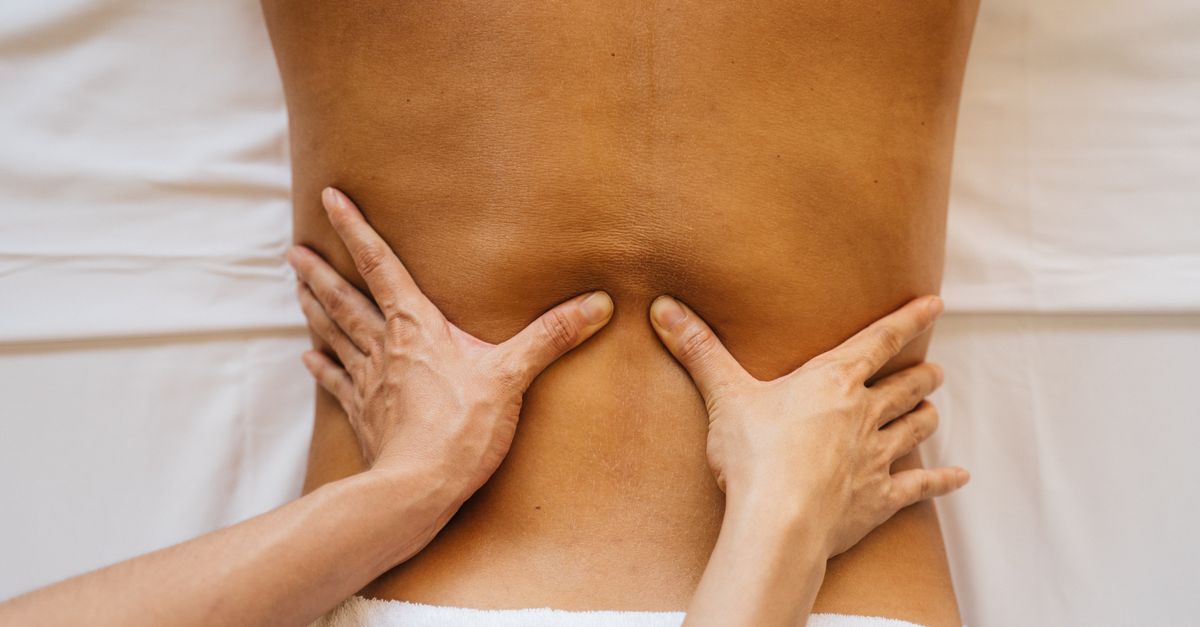
The best massager for spinal stenosis works on the tight muscles around the lower spine without pressing directly on the spine itself. The key features are a large cushioned pad, adjustable intensity that starts low, and a design that can be used while seated, since sitting is often the more comfortable position with lumbar stenosis. A handheld body massager applied to the lower back and glutes, paired with a seated foot massager for the legs, covers the main muscle groups involved. Anyone with spinal stenosis should check with a doctor before using any massager.
If standing in line at the pharmacy or walking across a parking lot brings on a deep ache in your lower back and a heavy, tired feeling in your legs, and sitting down makes it fade, you already know what lumbar spinal stenosis feels like day to day. Finding the best massager for spinal stenosis is harder than it should be. Plenty of back massagers concentrate force in a small, hard head or a set of nodes, and that kind of pressure near a narrowed lower spine is something to clear with your doctor first.
This guide is for adults living with a stenosis diagnosis and for the family members helping them choose a device. It gives straight answers about what a massager can do, what it cannot do, and which features matter when the problem sits deep in the lower back. Below, you'll find what stenosis is, why the surrounding back, glute, and leg muscles tighten, the features worth prioritizing, a seated routine, and the warning signs that mean you should skip the massager and call your doctor.
What Spinal Stenosis Does to Your Back
Spinal stenosis is a structural condition, and the muscle tension that comes with it is a secondary problem. Understanding the difference makes it much easier to judge what any massager can realistically offer.
The Narrowing Itself
Mayo Clinic describes spinal stenosis as a narrowing of the spaces within the spine. It most often develops in the lower back (lumbar stenosis) or the neck (cervical stenosis). This article focuses on the lumbar form, which is the type linked to lower back aching and to pain, numbness, tingling, or weakness in the buttocks and legs.
The narrowing usually comes from gradual, age-related changes. Ligaments along the spine can thicken, bone spurs can form around the joints, and the discs between vertebrae can lose height and bulge outward. None of these changes are muscular, which is why no massager can reverse them.
Lumbar stenosis symptoms tend to build with standing and walking and ease when you sit or lean forward. Bending forward opens the spaces in the lower spine slightly, while standing upright and arching backward closes them. That detail matters when you choose a massager, because a device you use while seated fits the position your back already prefers.
Why the Muscles Around It Tighten
Even though stenosis starts in the bones and ligaments, the muscles around the lower spine and down the legs respond to it. Several things work together to keep these muscles tight:
- Protective guarding, where the lower back muscles brace around an area that hurts and stay partly contracted
- A forward-leaning posture that eases symptoms but keeps the hip flexors shortened and the back muscles working to hold you up
- Walking less because walking brings on symptoms, which leaves the glutes, hamstrings, and calves with less regular movement
- Long stretches of sitting, which compress the glutes and slow blood flow through the lower legs
The result is a loop. Stenosis changes how you move, the changed movement tightens the muscles, and tight muscles make every position feel stiffer. That muscle layer is where a massager can play a role.
Where Massage Fits for Spinal Stenosis
A massager does not widen the spinal canal or change the ligament and bone changes behind stenosis. What it can do is work on the muscle side of the problem: the lower back, glutes, hamstrings, and calves that tighten as you adapt to the condition.
Lower Back and Glutes
The MedMassager Body Massager is a handheld unit with a large, soft, cushioned contouring pad that forms to the body. The pad oscillates in a circular motion, and you apply it directly to the muscles beside the spine, across the glutes, and down the hips and hamstrings. Oscillation penetrates deep muscle layers, increasing local blood flow in muscles affected by prolonged sitting.
For the glutes and backs of the thighs, deep oscillation increases local blood flow in large muscle groups, supporting recovery during rest. Because you can use it seated, including resting the pad between your back and the back of a chair, it matches the position stenosis already favors. You can see the options in the Body Massager collection for the lower back and glutes.
Legs and Calves
The legs carry a large share of stenosis discomfort, and they also lose movement when walking becomes harder. The MedMassager Foot Massager is used sitting upright with your feet flat on an open platform that oscillates in a circular motion. Calf activation pushes blood upward, supporting blood flow around strained areas, and blood pushed upward from the calves continues circulating through the upper leg while resting.
Alongside Your Care Plan
Massage works best as one piece of a broader plan, used alongside whatever your doctor or physical therapist has recommended. Keep the scope clear:
- A massager can work on tight back, glute, and leg muscles.
- A massager can add movement during long periods of sitting.
- A massager cannot change the narrowing in your spine.
- A massager cannot replace physical therapy, medication, or medical evaluation.
What Makes the Best Massager for Spinal Stenosis
Choosing a lower back massager for stenosis comes down to how force reaches your body, where you can place it, and whether you can control it. Use the criteria below to compare devices before you spend money.
Five Features to Prioritize
- A large cushioned pad: A wide, soft contact surface spreads movement across the muscle instead of concentrating it on one small point.
- Adjustable intensity: You need to start at a low setting and build gradually, so variable speed or multiple intensity levels are essential.
- Seated use: Stenosis symptoms tend to ease when you sit, so a device designed for seated use fits your back's preferred position.
- No direct pressure on the spine: The device should let you work on the muscles to either side of the spine rather than forcing contact over the vertebrae.
- Easy handling: Easy-to-hold, slip-resistant handles let you position a handheld unit without twisting or reaching awkwardly.
Vibration vs. Oscillation
Many foot massagers are sold as vibration massagers, and the same label shows up on back massagers. MedMassager uses oscillating technology to deliver deeper, more controlled vibration than conventional massagers. The Body Massager and Foot Massager both oscillate in a circular motion, so the movement travels through the muscle instead of simply shaking the surface.
Other categories work differently. Shiatsu-style back massagers press rotating nodes into the tissue, and percussion-style devices drive a small head into the muscle in rapid strokes. If you're considering any device that concentrates force near the spine, ask your doctor first. For a closer look, read this breakdown of how oscillating, percussion, and shiatsu back massagers differ.
Matching the Massager to the Area
Stenosis tightness rarely stays in one spot, so match each muscle group to the right tool:
| Area of tightness | Massager | How it's used |
|---|---|---|
| Lower back muscles | Body Massager | Pad beside the spine while seated, or resting between your back and a chair |
| Glutes and hips | Body Massager | Pad on the outer glute or hip while seated, leaning slightly to one side |
| Hamstrings and thighs | Body Massager | Pad on the back or side of the thigh while seated |
| Calves and lower legs | Foot Massager | Sitting upright with feet flat on the platform |
Both the Body Massager and the Foot Massager are FDA-registered Class I medical devices with adjustable intensity. In each case, the circular oscillating action creates continuous, repetitive movement in the muscle, which supports circulation during use. If your legs feel the strain as much as your back, compare the therapeutic foot massagers designed for seated use, or browse the MedMassager catalog to view the Body Massager and Foot Massager side by side.
How to Use a Massager for Spinal Stenosis
Get your doctor's input before your first session, especially if you've had spinal surgery, injections, or a recent change in symptoms. Once you have the go-ahead, start with about 10 minutes at the lowest setting, once or twice a day.
Body Massager on the Lower Back and Glutes
Oscillation penetrates deep muscle layers, increasing local blood flow in muscles affected by prolonged sitting. Use this seated routine:
- Sit in a firm, stable chair with your feet on the floor.
- Set the Body Massager to its lowest intensity before turning it on.
- Place the cushioned pad on the muscles to one side of your spine, not over the spine itself.
- To rest the pad between your back and the chair, lean back lightly rather than pressing your full weight into it.
- After a few minutes, switch to the other side of your spine.
- Lean slightly to one side and place the pad on the outer glute and hip, then repeat on the other side.
- Stop if leg pain, numbness, or tingling increases during or after the session.
Foot Massager for the Legs
Calf activation pushes blood upward, supporting blood flow around strained areas. Keep the routine simple:
- Sit upright in a stable chair with both feet flat on the platform.
- Start at the lowest setting.
- Run a session of about 10 minutes.
- Use it after a walk or during a long stretch of sitting, when your legs have had the least movement.
Adjusting Over Time
If the starting routine feels comfortable for a week or two, extend sessions by a few minutes or raise the intensity one step at a time. Change only one variable at once so you can tell what's helping. A short note after each session about how your back and legs feel gives you useful information to share at your next appointment.
Red Flags That Need Prompt Care
Stenosis usually progresses slowly, but certain symptoms signal that something has changed and needs medical attention right away. Do not use a massager to work through any of the following. Stop and contact your doctor promptly, or seek emergency care, if you notice:
- Leg weakness that is getting worse, or a foot that drags or catches when you walk
- Numbness in the groin, inner thighs, or the area you'd sit on in a saddle
- New changes in bladder or bowel control
These signs need evaluation, not muscle work. For more on what's typical and what isn't, see this guide to spinal stenosis leg symptoms.
Frequently Asked Questions
Is massage safe for spinal stenosis?
Massage on the muscles around the lower spine is something to discuss with your doctor, who knows the details of your stenosis and any past procedures. When your doctor agrees, keep the massager on the muscles beside the spine, across the glutes, and down the legs rather than directly on the vertebrae. Start at a low intensity and stop if your leg symptoms increase.
Can a back massager make spinal stenosis worse?
A back massager does not change the narrowing in your spine, but too much intensity or concentrated pressure near the spine can increase discomfort. Starting at the lowest setting and keeping sessions short reduces that risk. If you notice new or worsening symptoms, stop using the device and contact your doctor.
Where should I place a massager if I have spinal stenosis?
Place the massager on the muscles to either side of the lower spine, on the outer glutes and hips, and on the backs of the thighs. Avoid putting direct pressure on the spine itself. For the calves and lower legs, a seated foot massager reaches those muscles without any contact near your back.
How long should I use a massager for lower back stenosis?
A reasonable starting point is about 10 minutes at the lowest setting, once or twice a day. If that feels comfortable for a week or two, you can extend sessions by a few minutes or raise the intensity one step at a time. Check with your doctor before increasing either one significantly.
Can I use a foot massager with spinal stenosis?
A seated foot massager can work on the calf and lower leg muscles that lose movement when walking becomes harder. The MedMassager Foot Massager is used sitting upright with your feet flat on the platform, and its circular oscillating movement engages the calf muscles, which supports blood flow through the lower legs. It does not change the narrowing in your spine, so ask your doctor whether it fits your care plan.
What is the difference between a vibration and an oscillating back massager?
A vibration massager shakes the unit against your body, while an oscillating massager moves in a controlled circular motion. MedMassager uses oscillating technology to deliver deeper, more controlled vibration than conventional massagers. On the Body Massager, that circular oscillation travels through the muscle rather than staying at the surface, which supports local blood flow in the back and glutes.
Choosing the Best Massager for Spinal Stenosis
The best massager for spinal stenosis keeps force off the spine, gives you control over intensity, and works while you're seated. A Body Massager whose cushioned pad oscillates in a circular motion to increase local blood flow in the back and glute muscles covers the lower back, while a seated Foot Massager with a circular oscillating platform engages the calves and legs. Both are FDA-registered Class I medical devices, and both belong alongside your doctor's plan, not in place of it.
Talk with your care team first, then explore the body massagers built for the lower back and glute muscles or the seated Foot Massager lineup for tired legs.
This content is for informational purposes only and is not intended as medical advice, diagnosis, or treatment. Always consult a qualified healthcare professional before starting any new treatment or therapy. MedMassager products are FDA-registered Class I medical devices.


