
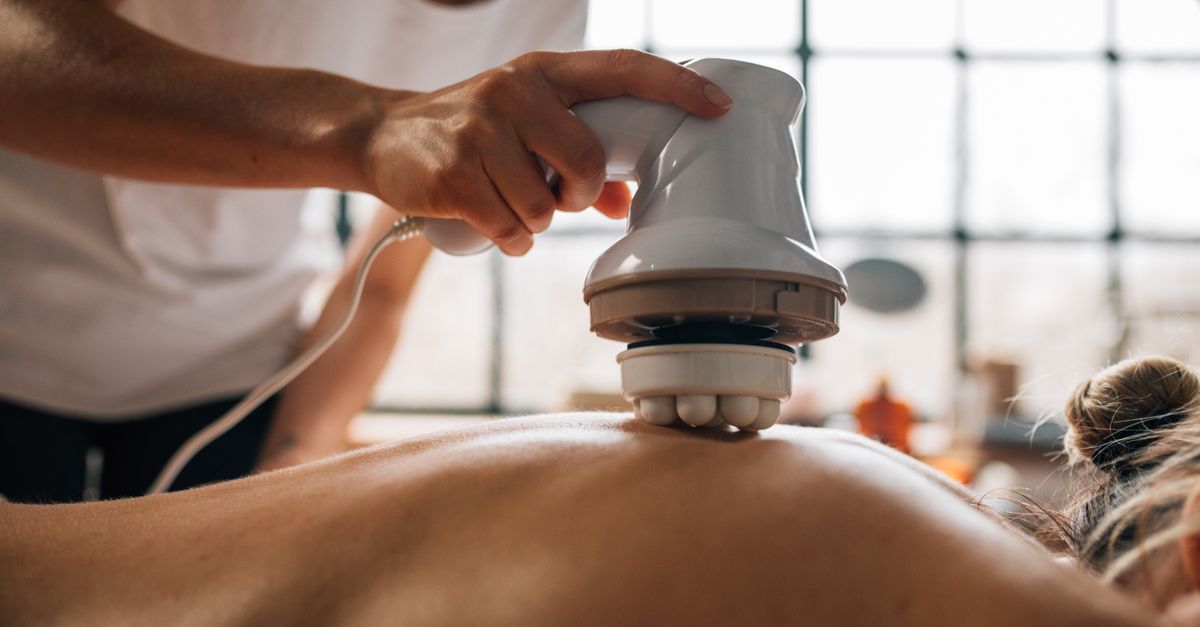
The best handheld massager depends on your intended use, the mechanism you prefer, and which body areas you need to reach. Oscillating handhelds like the MedMassager Body Massager deliver deep, controlled therapeutic movement suited for chronic muscle tension and daily use. Percussion guns produce rapid piston-like strikes best suited for post-workout muscle flushing, while shiatsu handhelds use rotating nodes to simulate kneading pressure on large surface areas. Matching the mechanism to your specific need — rather than defaulting to the most popular option — is the most reliable way to choose the right handheld massager.
Walk into any electronics store or scroll through any retailer, and you'll find dozens of handheld massagers promising deep relief, professional results, and whisper-quiet operation — all at wildly different price points. If you've spent any time searching for the best handheld massager, you already know the hardest part isn't finding options. It's figuring out which mechanism, form factor, and power level actually match what your body needs.
The market has fragmented into three distinct handheld categories — oscillating, percussion, and shiatsu — and each works differently at the muscle level. The wrong choice doesn't just underperform; it can leave you with a device that sits unused after the first week. This guide breaks down how each type works, what to look for in ergonomics and motor depth, and which use cases each category genuinely serves best.
How the Three Handheld Types Differ
Most handheld massager marketing leans heavily on aesthetics and attachment count. The mechanism — the actual motion the device delivers into your muscle tissue — rarely gets the attention it deserves. Understanding the three core types is the foundation of any smart buying decision.
- Oscillating: Back-and-forth motion that penetrates deeper muscle layers; best for daily therapeutic use and chronic tension
- Percussion: Rapid piston strikes measured in percussions per minute; best for short-burst post-workout recovery
- Shiatsu: Rotating nodes that simulate kneading pressure; best for surface-level relief on large muscle groups
Oscillating Handhelds
Oscillating handhelds generate a back-and-forth mechanical motion that penetrates into deeper muscle layers rather than working primarily at the surface. The oscillation moves surrounding tissue continuously, stimulating local blood flow and helping loosen muscles tightened by prolonged sitting, overuse, or chronic tension. Because the motion is controlled and rhythmic rather than impact-based, oscillating handhelds are well-suited for daily use on sensitive or chronically affected areas.
The MedMassager Body Massager operates on this principle, delivering professional-grade oscillating power — the same level used in physical therapy clinics — across variable speed settings. It's one of the few consumer handhelds that genuinely bridges home use and clinical application. This is why oscillation remains the preferred mechanism for people managing ongoing conditions rather than just post-workout soreness.
Percussion Guns
Percussion guns use a piston mechanism to deliver rapid, repetitive strikes — typically measured in percussions per minute (PPM). The impact-focused design is effective at flushing metabolic waste from fatigued muscle after intense exercise. Percussion is an impact mechanism, not a tissue-penetration mechanism — the force hits the surface of the muscle and dissipates quickly, which is why most sports physios use percussion guns as a warm-up or flush tool rather than a primary therapy device.
Percussion guns also tend to be loud, vibrate significantly in the hand during use, and require deliberate technique to avoid bruising over bony areas. They excel in athletic recovery contexts but are less appropriate for people managing nerve sensitivity, chronic pain conditions, or daily therapeutic use.
Shiatsu Handhelds
Shiatsu handhelds use rotating nodes — sometimes heated — to simulate the circular kneading pressure of a massage therapist's hands. They cover more surface area per pass than a percussion gun and feel gentler during use. The limitation is depth: rotating nodes work at the surface of the muscle and are most effective on accessible flat areas like the upper back, shoulders, or thighs. They tend to be heavier than other handheld types due to the node housing and motor required to drive circular rotation.
Key Specs to Compare Before Buying
Once you understand the mechanism, the next layer of comparison is hardware. These are the specs that determine whether a device works as described — or just looks good in a photo.
Motor Depth and Speed Settings
Motor depth refers to how far the massage motion reaches into the muscle, and it's directly tied to the mechanism type. Oscillating motors penetrate deeper into layered muscle tissue than percussion guns at equivalent force settings. Speed range matters here: a wider range gives you more control over intensity, which is essential when working on sensitive areas or progressively increasing pressure over time.
Look for at least 3–5 speed settings. Single-speed handhelds offer no room for adjustment and are typically consumer-grade rather than therapeutic-grade.
Weight and Ergonomics
Weight becomes a practical problem faster than most buyers anticipate. A device that feels manageable at 30 seconds becomes fatiguing at 5 minutes — especially when reaching the lower back, between the shoulder blades, or the back of the calves. Handheld massagers typically range from under 1 lb to over 3 lbs depending on motor size and form factor.
- Under 1.5 lbs: Good for arm, foot, and front-of-body use; manageable solo for most people
- 1.5–2.5 lbs: Typical range for mid-range oscillating and percussion handhelds; fine for partner application
- Over 2.5 lbs: Often found in professional-grade devices; easier with two hands or a partner's help on hard-to-reach areas
Handle shape matters as much as weight. Pistol-grip designs — common in percussion guns — are easy to control when aimed at a stationary target but awkward to angle toward your own back. T-bar or straight-handle designs offer more flexibility for self-application on posterior muscle groups.
Noise Level
Percussion guns are the loudest category — the piston impact mechanism generates significant noise at higher speeds, often comparable to a power drill. Shiatsu handhelds are generally quieter but not silent. Oscillating handhelds vary: lower-quality motors can hum loudly, while professional-grade oscillating motors operate at a controlled frequency that's noticeably quieter than percussion at equivalent power output.
If you plan to use your massager while watching television, in a shared living space, or as part of an evening wind-down routine, noise is a real quality-of-life factor — not a minor footnote.
Corded vs. Cordless
Cordless handhelds offer freedom of movement but introduce battery life and motor power trade-offs. Most cordless percussion guns run 2–3 hours on a full charge at medium speed. Corded handhelds deliver consistent full power throughout every session without degradation — important if you're using the device daily for therapeutic rather than recreational purposes.
The MedMassager Body Massager is corded, which means its oscillating power output never wavers mid-session. For people who depend on consistent therapeutic performance rather than occasional use, corded reliability typically outperforms battery convenience.
Best-Fit Use Cases by Mechanism
No single handheld massager is the best choice for every situation. The most useful framework is matching mechanism to use case rather than defaulting to whichever brand has the most marketing spend.
Self-Massage on Hard-to-Reach Areas
Reaching the lower back, between the shoulder blades, and the back of the calves solo requires a handle design that allows sufficient reach and angulation without straining your wrist or shoulder. Percussion guns with pistol grips are among the most difficult to angle correctly for self-application on posterior areas. Straight or offset handle designs found in oscillating handhelds offer more natural reach.
For solo users targeting the back specifically, a device with enough handle length and a motor head that can be positioned without rotating your wrist fully inward will make a meaningful difference in daily usability. The MedMassager Body Massager collection includes handle configurations designed with self-application in mind.
Partner Application
When someone else is operating the device, weight and noise become less critical than motor depth and coverage. Partner application removes the reach limitation entirely and allows for more deliberate pressure on the upper back, neck-shoulder junction, glutes, and hamstrings. Oscillating handhelds shine in partner settings because their sustained deep motion is easy to control at slow, therapeutic speeds — the partner can hold steady pressure on a tight area without the device bouncing or losing contact the way a percussion gun does at high speed.
Daily Therapeutic Routine
For people using a handheld massager as part of a daily routine — managing chronic lower back tension, sitting-related muscle tightness, neuropathy, or recovery from injury — durability and mechanism consistency matter most. Percussion guns are designed for short-burst athletic use and are not built for the sustained daily-use pattern that a therapeutic routine demands.
Oscillating handhelds built to professional-grade standards are the better match. Consistent oscillation penetrates deep muscle layers and increases local blood flow in muscles affected by prolonged sitting — exactly the mechanism needed when addressing tension that accumulates daily rather than acutely from exercise. Explore therapeutic handheld body massagers built for this kind of sustained daily use.
Post-Workout Muscle Flush
This is where percussion guns earn their reputation. Short sessions — 60–90 seconds per muscle group — immediately after intense exercise can help clear metabolic byproducts and reduce the onset of soreness. The impact-focused mechanism is appropriate here because the goal is surface-level stimulation of fatigued tissue, not deep therapeutic penetration. If your primary use case is post-training recovery after high-intensity exercise, a percussion gun is a defensible choice. Recognize, though, that it is a recovery tool — not a therapy device.
How to Use a Handheld Massager Effectively
Even the best handheld massager underperforms with poor technique. The principles below apply broadly across mechanism types, with adjustments based on your device and target area.
General Technique Principles
- Start at the lowest speed setting and work up gradually, especially on first use or sensitive areas. Muscles need time to adapt to mechanical input.
- Move slowly across the muscle — roughly 1 inch per second for oscillating handhelds. Hovering in one spot for more than 15–20 seconds can overstimulate the tissue.
- Work parallel to the muscle fiber direction on large muscle groups such as hamstrings, calves, and back extensors. Cross-fiber technique is useful for breaking up knots but requires more experience to apply correctly.
- Avoid bony prominences — stay on muscle tissue and off the spine, shoulder blades, elbows, and ankle bones.
- Apply gentle downward pressure with oscillating devices; let the motor do the work rather than pressing hard into the tissue.
Session Length and Frequency
For daily therapeutic use with an oscillating handheld, 5–15 minutes per target area is a reasonable session length. Percussion gun sessions should stay shorter — 60–90 seconds per muscle group is the standard recommendation from most sports therapists. Shiatsu handhelds can run longer given their lower intensity, but 10–15 minutes per area is generally sufficient.
Daily use of a therapeutic-grade oscillating handheld is appropriate for most people managing chronic muscle tension. If you're recovering from an acute injury or managing a medical condition, consult your healthcare provider before beginning any regular massage routine.
Targeting Specific Problem Areas
- Lower back: Focus on the paraspinal muscles beside the spine — never directly on the vertebrae. Oscillating motion increases local blood flow in muscles affected by prolonged sitting.
- Shoulders and upper traps: Work down from the base of the neck toward the outer shoulder. This high-tension area responds well to sustained oscillating pressure.
- Calves: Work upward from the ankle toward the knee to support blood flow returning toward the heart.
- Hamstrings and glutes: Large muscle groups that tolerate higher speed settings. Partner application or lying prone makes these areas far more accessible.
Why Oscillation Outperforms Surface Vibration
Many buyers search for the best vibrating handheld massager — and vibration is a reasonable starting point, since it's how most people describe the sensation they're looking for. But not all vibration is equal, and the distinction matters therapeutically.
Conventional vibration massagers oscillate rapidly at the surface, creating a buzzing sensation that stimulates sensory receptors without necessarily penetrating into deeper muscle layers. MedMassager uses oscillating technology to deliver deeper, more controlled vibration than conventional massagers — the motion is directional and rhythmic rather than simply frequency-based, which is why the therapeutic effect reaches further into the tissue.
This is MedMassager's primary mechanical differentiator. The Body Massager's oscillating mechanism isn't just a marketing term — it's the reason the device functions closer to a physical therapy instrument than a consumer wellness gadget. For people managing chronic muscle tension, desk-related tightness, or ongoing discomfort, that mechanical difference translates into a meaningfully different experience. Browse the full MedMassager therapeutic massager lineup to see how oscillation applies across their product range.
Frequently Asked Questions
What is the difference between an oscillating handheld massager and a percussion gun?
An oscillating handheld uses a controlled back-and-forth mechanical motion that penetrates into deeper layers of muscle tissue, increasing local blood flow and relieving chronic tension. A percussion gun uses a rapid piston strike mechanism designed primarily for post-workout muscle flushing at the surface level. Oscillating handhelds are better suited for daily therapeutic use and chronic conditions, while percussion guns perform best in short-burst post-exercise recovery sessions.
How heavy should a handheld massager be for daily use?
For solo daily use, a handheld massager under 2 lbs is generally manageable for most people across a 10–15 minute session. Devices over 2.5 lbs can cause hand and wrist fatigue during extended self-application, particularly when reaching posterior areas like the lower back or between the shoulder blades. If you plan to use the device primarily with a partner applying it for you, weight becomes less of a limiting factor.
Is a corded or cordless handheld massager better for therapeutic use?
Corded handheld massagers deliver consistent, full-power motor output throughout every session without the degradation that comes from battery discharge. For therapeutic daily use where consistent oscillating intensity matters — such as managing chronic back tension or improving circulation — corded devices are generally more reliable. Cordless handhelds offer portability and convenience for occasional use or travel, but battery-powered motors can lose output as the charge depletes.
Can I use a handheld massager on my lower back every day?
Daily use on the lower back is appropriate for most people managing chronic muscle tightness, as long as the device is applied to the paraspinal muscle tissue beside the spine rather than directly on the vertebrae. Start with lower speed settings and shorter sessions, working up as your body adapts. If you have a diagnosed spinal condition, disc injury, or recent back surgery, consult your healthcare provider before starting a regular massage routine.
Are handheld massagers effective for neck and shoulder tension?
Handheld massagers can be effective for neck and shoulder tension when used correctly on the upper trapezius and surrounding muscle tissue. Oscillating handhelds are well-suited for sustained application on the traps and paraspinal neck muscles. For the neck specifically, some people prefer a dedicated neck massager with dual-direction rotating nodes and built-in heat, which provides hands-free application and targeted coverage of the cervical area. The MedMassager Neck Massager is designed specifically for this use case.
What features should I look for in a handheld massager for chronic pain?
For chronic pain management, prioritize mechanism depth — oscillating over surface-level vibration — along with variable speed settings across at least 3–5 levels and a professional-grade motor that sustains consistent output across longer sessions. Ergonomic handle design matters for daily self-application, and corded power is preferable over battery for consistent therapeutic intensity. An FDA-registered Class I medical device designation indicates the product has met regulatory standards for therapeutic use.
How long should a handheld massager session last?
Session length depends on the mechanism and the target area. For therapeutic oscillating handhelds, 5–15 minutes per muscle group is a reasonable range for daily use. Percussion gun sessions are typically kept to around 60–90 seconds per muscle group due to the impact-based mechanism. Regardless of device type, moving slowly across the muscle tissue rather than staying fixed on one spot produces better results and reduces the risk of overstimulating the tissue.
The Bottom Line on Handheld Massagers
The best handheld massager is the one built around the mechanism that matches your actual use case — not the one with the most attachments or the loudest marketing. Percussion guns work well for post-workout muscle recovery in short bursts. Shiatsu handhelds offer a gentler, kneading-style experience on large surface areas. Oscillating handhelds, particularly professional-grade options like the MedMassager Body Massager, deliver the kind of deep, consistent therapeutic movement that serves daily use, chronic muscle tension, and circulation support most effectively.
If you're buying a handheld massager for a daily therapeutic routine — managing back tension, desk-related muscle tightness, or general circulation support — an oscillating handheld built to clinical standards is the right investment. A device that underperforms therapeutically doesn't get used, and a device that doesn't get used helps no one.
Browse the professional-grade oscillating body massagers from MedMassager to find the right fit for your needs, or explore the full MedMassager therapeutic device lineup including foot and neck options if multiple areas need attention.
This content is for informational purposes only and is not intended as medical advice, diagnosis, or treatment. Always consult a qualified healthcare professional before starting any new treatment or therapy. MedMassager products are FDA-registered Class I medical devices.


