
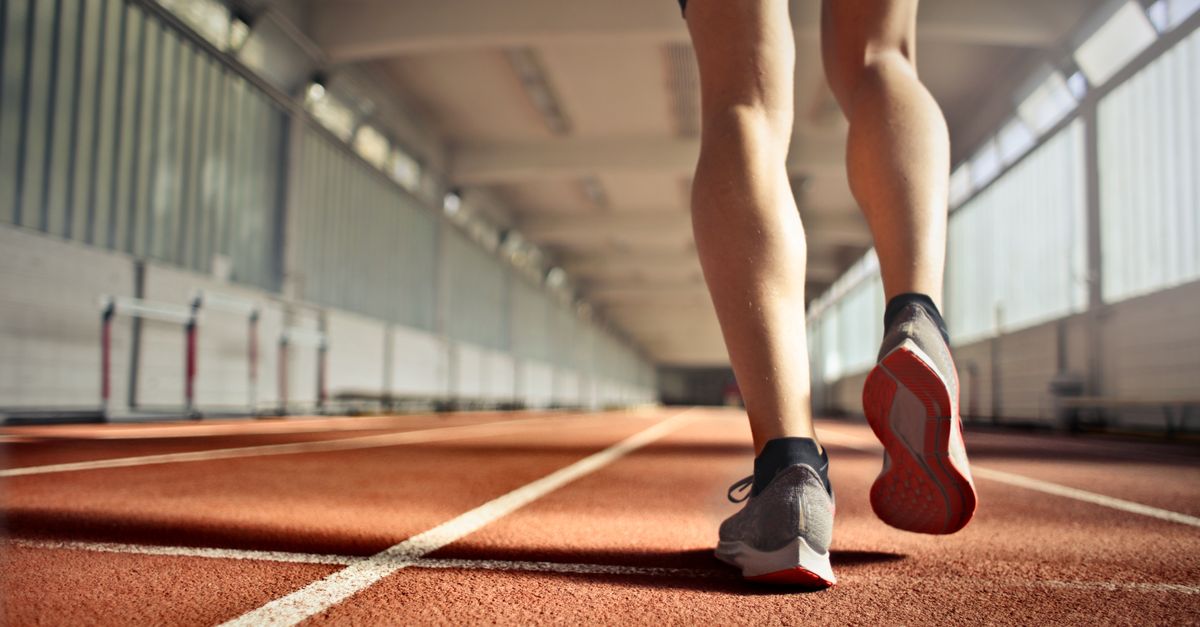
The best foot massager for runners is a seated unit with an open flat platform, a circular oscillating motion that moves the feet and engages the calf muscles, and adjustable intensity settings. This combination works the arches, heels, and lower legs together, which is where most post-run tightness collects. Enclosed shiatsu-style units mainly reach the soles, and vibration plates are stood on and built for a different purpose. A seated oscillating foot massager fits into a post-run cooldown alongside stretching, hydration, and rest.
You finish a long run, sit down to untie your shoes, and your arches start to throb while your calves tighten up. That is usually when runners start searching for the best foot massager for runners, and it is also when the marketing gets loud. Some products promise to erase soreness overnight. Others are designed for a different purpose, so it helps to look at how each device actually moves.
This guide is for runners who want a clear answer: recreational joggers, people training for their first half marathon, and high-mileage runners who log five or six days a week. It also helps anyone who runs on hard surfaces and feels it in their heels the next morning. You will not find hype here, only how running loads the feet and lower legs, how massage fits into recovery, and which features actually matter.
The sections below cover the common runner foot complaints, what to look for in a foot massager for running recovery, a seated post-run routine, and the signs that mean it is time to see a podiatrist.
Why Runners' Feet and Calves Take a Beating
Running is a repeated impact activity. With every stride, your foot absorbs a force well above your body weight. Over a 5-mile run, that adds up to thousands of loading cycles through the same small set of structures in the foot and lower leg.
Arch Fatigue and the Plantar Fascia
The arch acts as a spring. It flattens slightly as your foot lands, then recoils to help push you forward. The plantar fascia supports that spring. It is a thick band of tissue running along the bottom of the foot from the heel bone to the base of the toes.
When mileage climbs quickly or your shoes lose their cushioning, the arch muscles and fascia work harder on every stride. The result is a dull, tired ache through the middle of the foot that often shows up an hour or two after the run, not during it.
Heel Soreness After Mileage
Heel soreness is one of the most common complaints among runners. Mayo Clinic describes plantar fasciitis as inflammation of the plantar fascia, and it typically causes stabbing heel pain with the first steps in the morning. Not every sore heel is plantar fasciitis, though. Bruising of the fat pad under the heel, irritation where the Achilles tendon attaches, and simple overload can all feel similar at first.
Tight Calves and the Achilles Connection
Your calf is made of two main muscles, the gastrocnemius and the soleus. Both connect to the heel through the Achilles tendon, the largest tendon in the body. When the calves stay tight after a run, they pull on the Achilles and, indirectly, on the plantar fascia. That is why calf tightness and heel pain so often travel together.
Several factors make these complaints more likely:
- Increasing weekly mileage too fast
- Running mostly on concrete or asphalt
- Worn-out shoes with compressed midsoles
- Adding hill work or speed sessions without a buildup
- Sitting for long periods between runs, which leaves calves short and stiff
Why a Foot Massager Helps Runners Recover
Post-run recovery is mostly about blood flow, rest, and gradually restoring normal tissue length. A seated foot massager supports the first part of that equation by keeping the feet and lower legs moving gently while the rest of your body is still.
Circular Oscillation Moves the Whole Foot
The MedMassager Foot Massager oscillates in a circular motion. Rather than pressing a few fixed points against your soles, the open platform moves both feet as a unit. The arches, heels, and forefoot all get worked at the same time, and the movement travels up through the ankles.
That matters for runners because soreness rarely sits in one spot. Arch fatigue, a tender heel, and tight calves tend to show up together after a long effort. For runners managing heel spurs, gentle, repeated movement helps keep blood from pooling in the heel while you sit. For those dealing with plantar fasciitis, oscillating motion keeps blood flowing through the foot instead of settling during rest.
Engaging the Calf From a Chair
The circular oscillating action does not stop at the foot. Because the feet are moving on the platform, the calf muscles are engaged with each cycle. For runners nursing a calf strain, calf activation pushes blood upward, supporting blood flow around strained areas. If the backs of your thighs also feel heavy after a long run, blood pushed upward from the calves continues circulating through the upper leg while you rest.
This is the main reason therapeutic foot massagers with an oscillating platform suit runners differently than devices that only knead the soles.
What It Does and Does Not Do
A foot massager is one recovery tool, not a replacement for smart training. It does not repair tissue damage, correct poor running form, or make up for a sudden mileage jump. What it can do is make sitting still after a run a more active part of recovery:
- Keep blood moving through the feet and calves while you rest
- Loosen the general sense of stiffness in the arches and lower legs
- Give you a consistent cooldown habit that is easy to repeat
Best Foot Massager for Runners: Buying Checklist
Most foot massagers look similar in product photos. The differences that matter for runners come down to how the device reaches your feet, whether it involves the calves, and how much control you have over intensity.
An Open Flat Platform
Look for an open flat platform rather than an enclosed chamber. An open design lets you position your feet freely, shifting weight onto the heels after a heavy day or onto the forefoot after speed work. It also lets you take your feet on and off easily between stretches.
Circular Oscillating Action That Reaches the Calf
The motion type determines how far the effect travels. A circular oscillating action moves the feet as a whole, which in turn engages the calf muscles. For runners, the calves are often as tight as the feet, so it helps to choose a device whose motion reaches the lower legs as well as the soles.
Vibration vs. Oscillation for Runners
Many runners search for a vibration foot massager, and the term makes sense as a starting point. MedMassager uses oscillating technology to deliver deeper, more controlled vibration than conventional massagers. Instead of a buzzing surface, the platform oscillates in a circular motion that moves the feet as a unit and carries the movement up into the lower leg.
Adjustable Intensity Range
Your needs change through a training cycle. After an easy recovery jog, a moderate setting may be plenty. After a long run or race, you may want a lower setting the first day and a stronger one later in the week. Multiple intensity settings let you match the session to how your legs feel.
Here is how common categories compare for running recovery:
- Seated oscillating foot massager: Open platform, circular oscillating motion, engages feet and calves, used seated.
- Shiatsu foot massager: Kneading nodes inside an enclosed shell, focused mainly on the soles.
- Vibration plate: An exercise platform you stand on, designed for training rather than seated foot massage.
- Massage balls and rollers: Manual and inexpensive, useful for spot work but dependent on your own effort and pressure.
You can compare seated oscillating Foot Massager options directly, or browse the full MedMassager lineup of therapeutic massagers. Each MedMassager unit is an FDA-registered Class I medical device.
A Post-Run Seated Foot Massager Routine
Timing and consistency matter more than intensity. This routine is designed to fit into the 20 minutes after you get home, and it is always done seated with your feet resting on the platform.
- Walk it off first. Spend 3 to 5 minutes walking easily after your run so your heart rate settles gradually.
- Hydrate and change. Get out of damp socks and drink some water before you sit down.
- Sit with good support. Use a stable chair with your knees bent at a comfortable angle and both feet flat on the platform.
- Start low. Begin on a lower intensity setting for the first 3 to 5 minutes, especially after a long run or race.
- Build gradually. Increase intensity to a level that feels strong but comfortable. Total session time of 10 to 15 minutes works well for most runners.
- Shift your feet. Move your feet slightly forward or back on the platform to bias the arches, heels, or forefoot.
- Finish with stretching. Follow with gentle calf and arch stretches while the tissue feels looser.
On rest days, a second short session in the evening can help if you sit for long stretches at work. If you are building a home cooldown setup, a Foot Massager for post-run use pairs well with a foam roller and a simple stretching routine.
Stop and reassess if any session increases sharp pain rather than easing general stiffness. Massage should feel relieving, not like you are pushing through an injury.
Running vs. Walking With Plantar Fasciitis
Runners and people who simply walk with plantar fasciitis share a diagnosis, but their situations differ. A walker with plantar fasciitis is often managing daily pain from standing jobs or everyday mobility. A runner is usually dealing with load spikes from training and needs to balance mileage, recovery, and return-to-run decisions.
Key differences for runners include:
- Pain often flares after long runs or speed sessions rather than steadily through the day
- Training volume is an adjustable factor, which walkers often cannot change
- Calf tightness from repeated push-off plays a larger role
In both cases, the circular oscillating action keeps blood flowing through the foot instead of settling during rest, and the same movement engages the calf muscles that pull on the heel. If plantar fasciitis is your main concern rather than general running recovery, see our guide to choosing a foot massager for plantar fasciitis.
When Runner Foot Pain Needs a Podiatrist
Most post-run soreness fades within a day or two. Some pain, however, signals an injury that massage and rest will not address. A podiatrist or sports medicine physician can examine your foot, review your training, and order imaging if needed.
Book an appointment if you notice any of the following:
- Pain in one specific spot on a bone that worsens with each run, which can indicate a stress fracture
- Swelling, bruising, or warmth that does not improve after a few days of rest
- A sudden pop or snap at the back of the ankle, or trouble rising onto your toes
- Numbness, tingling, or burning in the toes or across the foot
- Heel pain that persists for several weeks despite reduced mileage
- Pain that changes your running stride or makes you limp
Seek urgent care right away if you cannot bear weight on the foot. Running through these warning signs can turn a short layoff into a much longer one.
Frequently Asked Questions
Is it okay to use a foot massager right after a run?
Yes, a foot massager can be used shortly after a run once you have walked for a few minutes and your heart rate has settled. Start on a lower intensity and build up gradually. If a specific spot is sharply painful rather than generally sore, skip the massage and have it checked.
How long should runners massage their feet after running?
A session of 10 to 15 minutes is a practical range for most runners. Shorter sessions work well after easy runs, while longer efforts may call for the full 15 minutes at a gradually increasing intensity. Consistency across the week matters more than one long session.
Does a foot massager help tight calves after running?
A foot massager with a circular oscillating platform moves the feet as a unit, which engages the calf muscles with each cycle. Calf activation pushes blood upward, supporting blood flow around strained areas. Devices that only knead the soles have less effect on the calves.
Is a vibration foot massager good for runners?
Vibration foot massagers vary widely, and the motion type determines whether they reach the calves. MedMassager uses oscillating technology to deliver deeper, more controlled vibration than conventional massagers, with a platform that moves in a circular motion. That oscillating action engages both the feet and lower legs, which suits post-run recovery.
Can a foot massager help with plantar fasciitis from running?
A foot massager is not a treatment for plantar fasciitis, but it can support circulation as part of a broader plan from your healthcare provider. Oscillating motion keeps blood flowing through the foot instead of settling during rest. Reducing mileage, stretching, and proper footwear remain central for runners with this condition.
When should a runner see a podiatrist for foot pain?
See a podiatrist if pain is localized on a bone, worsens with each run, or lasts several weeks despite rest. Swelling that will not go down, numbness, or a sudden pop near the heel also warrant an evaluation. If you cannot bear weight on the foot, seek urgent care.
Choosing the Best Foot Massager for Runners
Running loads the arches, heels, and calves thousands of times per session, and recovery depends on what you do once you stop. The best foot massager for runners is used seated, has an open flat platform, oscillates in a circular motion that engages the calves, and offers adjustable intensity. Pair it with walking, stretching, and sensible mileage, and pay attention to pain that needs a professional opinion.
MedMassager has more than 15 years of experience building professional-grade therapeutic massagers. When you are ready, shop MedMassager Foot Massagers and choose the setup that fits your post-run routine.
This content is for informational purposes only and is not intended as medical advice, diagnosis, or treatment. Always consult a qualified healthcare professional before starting any new treatment or therapy. MedMassager products are FDA-registered Class I medical devices.


