
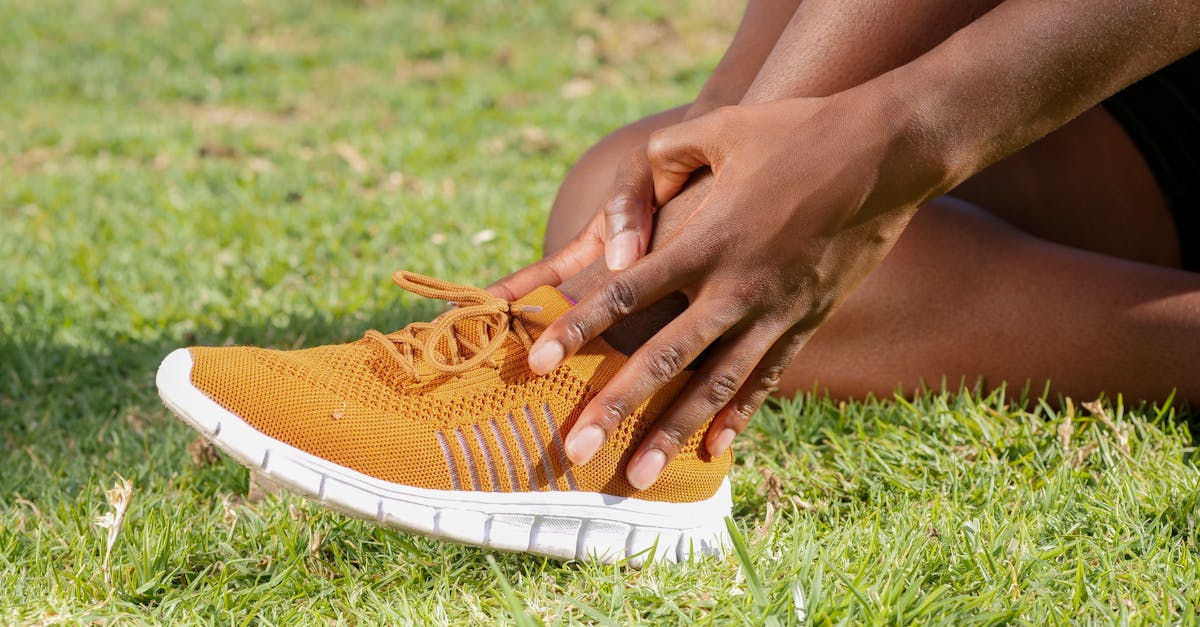
Le soulagement de la douleur neuropathique au pied implique de réduire l'inconfort lié aux nerfs – sensation de brûlure, de picotements, d'engourdissement et douleur aiguë – qui résulte des lésions nerveuses périphériques dans les pieds. Les approches efficaces incluent l'amélioration de la circulation sanguine dans les pieds, une activité physique douce, des chaussures appropriées et un massage thérapeutique qui maintient la circulation sanguine dans les zones où la circulation naturelle est déjà compromise. La gestion de la cause sous-jacente (telle que le diabète, une carence nutritionnelle ou les effets secondaires de médicaments) associée à des stratégies axées sur les symptômes produit généralement les meilleurs résultats. Un professionnel de la santé doit guider tout plan de traitement, surtout lorsque la neuropathie est liée à une affection systémique.
Les brûlures commencent parfois le soir — une chaleur profonde et implacable dans vos pieds qu'aucune quantité de repositionnement ne semble soulager. Ou peut-être est-ce la sensation de fourmillements qui vous réveille à 2 heures du matin, ou l'étrange engourdissement qui rend la marche sur certaines surfaces complètement anormale. Si vous cherchez un soulagement de la douleur neuropathique au pied, vous savez déjà que ce n'est pas une douleur ordinaire. C'est une catégorie différente d'inconfort, et elle mérite une catégorie de réponse différente.
La neuropathie périphérique touche une part significative de la population adulte, en particulier ceux qui gèrent le diabète, des maladies auto-immunes, ou les effets à long terme de certains médicaments. Les pieds sont presque toujours les premiers endroits où les symptômes apparaissent — et souvent les plus difficiles à traiter. Cet article explique pourquoi, comment les stratégies axées sur la circulation peuvent aider, et ce qu'il faut rechercher lors de l'établissement d'une routine quotidienne pratique pour gérer la douleur neuropathique au pied.
Pourquoi la Neuropathie Cause des Douleurs aux Pieds
La douleur neuropathique au pied n'est pas générée par les muscles ou les articulations — elle prend naissance dans les nerfs eux-mêmes, ce qui modifie ce qui aide et ce qui n'aide pas.
Le Système Nerveux Périphérique et les Pieds
Le système nerveux périphérique est le vaste réseau de nerfs qui s'étend de la moelle épinière vers toutes les parties du corps. Les fibres nerveuses les plus longues vont du bas de la colonne vertébrale jusqu'aux orteils — c'est précisément pourquoi les pieds sont les premiers endroits où la plupart des gens remarquent les symptômes de la neuropathie. Les fibres plus longues sont plus vulnérables aux dommages causés par un stress métabolique soutenu, une mauvaise circulation ou une exposition aux toxines.
Lorsque ces fibres nerveuses sont endommagées ou dégradées, elles fonctionnent mal. Au lieu de transmettre des informations sensorielles précises, elles génèrent de faux signaux — une sensation de brûlure là où il n'y a pas de source de chaleur, une douleur aiguë là où il n'y a pas de blessure, ou une absence totale de sensation là où il devrait y avoir une perception. Selon le National Institute of Neurological Disorders and Stroke, la neuropathie périphérique peut affecter les nerfs sensoriels, les nerfs moteurs ou les nerfs autonomes, produisant une gamme de symptômes en fonction des types de fibres impliqués.
Causes Courantes de la Neuropathie Périphérique
Le diabète est la cause la plus fréquente de neuropathie périphérique dans les pays développés. L'hyperglycémie chronique endommage les petits vaisseaux sanguins qui alimentent les nerfs périphériques, les privant de l'oxygène et des nutriments nécessaires à leur bon fonctionnement. Au fil du temps, ces dommages vasculaires aggravent les lésions nerveuses, créant un cycle difficile à inverser.
D'autres causes courantes incluent :
- La chimiothérapie et certains médicaments sur ordonnance (neuropathie induite par les médicaments)
- Les maladies auto-immunes, notamment le lupus, la polyarthrite rhumatoïde et le syndrome de Sjögren
- La carence en vitamine B12, essentielle à l'entretien de la gaine de myéline
- Les troubles thyroïdiens, en particulier l'hypothyroïdie
- Le trouble lié à l'usage de l'alcool, qui épuise les vitamines B et endommage directement les tissus nerveux
- La neuropathie idiopathique, où aucune cause claire n'est identifiée malgré une évaluation approfondie
Pourquoi la Circulation Est Si Importante
Le tissu nerveux est exigeant sur le plan métabolique. Il nécessite un apport sanguin continu et bien oxygéné pour maintenir sa fonction — et pour tenter toute réparation. Chez les personnes atteintes de neuropathie, cet apport sanguin est déjà compromis, soit par des dommages vasculaires (comme dans le diabète), soit par les niveaux d'activité réduits qui suivent souvent l'apparition de la douleur au pied.
Lorsque la douleur au pied rend la marche difficile, les gens bougent naturellement moins. Moins de mouvement signifie moins d'activation des muscles du mollet, qui est la pompe principale qui fait remonter le sang des membres inférieurs. Il en résulte une accumulation de sang dans les pieds — exactement l'environnement dans lequel le tissu nerveux se détériore plus rapidement. C'est pourquoi un soutien passif de la circulation, y compris le massage thérapeutique, devient une partie importante de la gestion des symptômes de la neuropathie lorsque l'exercice actif est limité.
Comment le Massage Soutient le Soulagement de la Neuropathie
Le massage ne régénère pas les nerfs endommagés. Il est important de le dire clairement. Ce qu'il peut faire, c'est améliorer les conditions autour de ces nerfs — spécifiquement l'environnement circulatoire local — ce qui soutient à la fois la gestion des symptômes et la santé des tissus dont dépend la récupération nerveuse.
Le Mécanisme de Circulation
Le massage thérapeutique oscillant introduit un mouvement mécanique répété dans les muscles et les tissus du pied. Ce mouvement continu aide à maintenir la circulation sanguine dans les pieds lorsque le mouvement naturel est limité — ce qui est exactement la situation dans laquelle se trouvent la plupart des personnes atteintes de neuropathie lorsque la douleur rend la marche difficile ou désagréable.
En activant les muscles du mollet de manière rythmique, le massage oscillant pousse le sang vers le haut plutôt que de le laisser s'accumuler dans les pieds. Cela réduit l'environnement stagnant et pauvre en oxygène qui aggrave la fonction du tissu nerveux. Il soutient également le drainage lymphatique, ce qui aide à réduire les signaux inflammatoires de bas grade qui contribuent à la brûlure et à la sensibilité caractéristiques de la douleur neuropathique.
Input Sensoriel et Modulation de la Douleur
Il existe un second mécanisme qui mérite d'être compris : la contre-stimulation sensorielle. Le système nerveux traite les signaux sensoriels concurrents par un processus parfois appelé mécanisme de "contrôle de la porte" — le même principe de base qui explique pourquoi frotter un coude cogné réduit instinctivement la douleur. L'introduction d'une sensation mécanique rythmique aux pieds peut partiellement contrecarrer les signaux de douleur aberrants générés par les nerfs endommagés, offrant une fenêtre de soulagement pendant et après une séance de massage.
Ce n'est pas un remède, et le soulagement ne persiste pas nécessairement pendant des heures. Mais pour les personnes gérant un inconfort neuropathique chronique, même une fenêtre quotidienne constante de douleur réduite a une valeur significative pour la qualité de vie — en particulier le soir lorsque les symptômes de la neuropathie s'intensifient généralement.
Pourquoi l'Oscillation Surpasse la Vibration Standard
Beaucoup de personnes recherchant un soulagement de la douleur neuropathique au pied considèrent les masseurs de pieds vibrants comme leur première option — et la vibration offre certains avantages. Mais les masseurs de pieds thérapeutiques de MedMassager utilisent la technologie d'oscillation pour délivrer une vibration plus profonde et plus contrôlée que les appareils conventionnels.
La vibration standard a tendance à être de haute fréquence et superficielle — elle crée une sensation à la surface de la peau et des tissus superficiels mais n'implique pas efficacement les tissus musculaires plus profonds ni ne provoque de changement circulatoire significatif. L'oscillation produit un mouvement mécanique plus large et plus ample qui engage plus pleinement les couches musculaires, générant le type d'activation du mollet et de mouvement sanguin qui modifie réellement l'environnement circulatoire du pied. Pour les personnes gérant la neuropathie, cette distinction est importante.
Le MedMassager Foot Massager est un dispositif médical de Classe I enregistré auprès de la FDA, spécialement conçu pour les personnes souffrant de conditions affectant la circulation sanguine des pieds et le confort nerveux. Ses réglages de vitesse variables permettent aux utilisateurs de commencer à une très faible intensité — ce qui est important pour les patients atteints de neuropathie qui peuvent avoir une sensation altérée et doivent surveiller la pression avec précaution.
Ce qu'il Faut Rechercher dans un Masseur de Pieds
Tous les masseurs de pieds ne sont pas adaptés à la neuropathie. Un appareil inapproprié — ou des réglages incorrects — peut provoquer de l'inconfort ou, en cas de perte sensorielle sévère, passer inaperçu tout en causant des dommages. Voici ce qui est réellement important lors de l'évaluation de vos options.
Réglages d'Intensité Réglables
C'est la caractéristique la plus importante pour les patients atteints de neuropathie. Étant donné que la neuropathie périphérique altère souvent la sensation, la capacité de commencer à très faible intensité et d'augmenter progressivement est essentielle. Un appareil avec seulement un ou deux réglages de vitesse ne vous donne pas le contrôle nécessaire pour l'utiliser en toute sécurité et confortablement.
Le MedMassager Foot Massager offre un contrôle de vitesse variable sur une large plage, vous permettant de trouver le niveau où vous ressentez un bénéfice thérapeutique sans surstimuler le tissu nerveux compromis. Commencer au réglage le plus bas et augmenter progressivement sur plusieurs séances est la recommandation standard pour toute personne ayant une perte sensorielle significative.
Oscillation vs Autres Mécanismes
Les mécanismes des masseurs de pieds varient considérablement dans la façon dont ils engagent les tissus et soutiennent la circulation :
- Oscillant : Mouvement ample et rythmique qui engage les tissus musculaires plus profonds et stimule la circulation — le mécanisme préféré pour le soutien de la neuropathie
- Vibrant : Stimulation superficielle à haute fréquence ; certains avantages, mais moins de profondeur circulatoire que l'oscillation
- Nœuds de pétrissage/rotation : Cible les points de pression et les tissus musculaires superficiels ; peut être utile mais ne stimule pas le flux sanguin aussi efficacement
- Compression d'air : Utilise un gonflage séquentiel pour comprimer le pied et le bas de la jambe ; soutient la circulation mais peut ne pas convenir à tous les patients atteints de neuropathie en fonction de la sensibilité
- Chaleur : Peut compléter l'oscillation pour la relaxation musculaire, mais doit être utilisée avec prudence lorsque la sensation est altérée — les brûlures sont un risque réel lorsque vous ne pouvez pas ressentir précisément la température
Enregistrement FDA et Qualité de Fabrication
Pour un usage thérapeutique — et pas seulement pour la relaxation — l'enregistrement auprès de la FDA est important. Il indique que l'appareil a été évalué comme un dispositif médical plutôt que comme un gadget de bien-être grand public. La collection de masseurs de pieds de MedMassager est enregistrée en Classe I par la FDA, ce qui place ces appareils dans la même catégorie réglementaire que les équipements utilisés en physiothérapie et en réadaptation clinique.
La qualité de fabrication est également importante en pratique : un appareil utilisé quotidiennement pour la gestion d'une affection chronique doit être durable. Les masseurs de spa grand public ne sont souvent pas conçus pour ce type d'utilisation prolongée.
Quand Éviter le Massage des Pieds
Il existe des situations où le massage des pieds doit être évité ou utilisé uniquement avec une autorisation médicale :
- Plaies actives, ulcères ou peau lésée sur les pieds (courant dans la neuropathie diabétique avancée)
- Thrombose veineuse profonde (TVP) ou suspicion de caillots sanguins dans le bas de la jambe
- Perte sensorielle sévère où vous ne pouvez pas détecter la pression ou la chaleur
- Artériopathie périphérique (AOP) — consulter d'abord un spécialiste vasculaire
Construire une Routine Quotidienne Contre la Neuropathie
La constance est plus importante que l'intensité dans la gestion de la neuropathie. Une brève séance thérapeutique quotidienne produit de meilleurs résultats à long terme que des séances occasionnelles plus longues, car l'objectif est de maintenir un environnement circulatoire plus sain autour du tissu nerveux au fil du temps — et non d'administrer une intervention ponctuelle à forte dose.
Un Cadre Quotidien Pratique
- Moment : Utilisez votre masseur de pieds en début de soirée, avant les heures de pointe des symptômes de neuropathie. La plupart des gens ressentent une aggravation des brûlures et des picotements après 19h-21h — prendre une heure d'avance sur cette période peut réduire la gravité.
- Durée : Commencez par des séances de 10 minutes. Une fois que vos pieds se sont adaptés et que vous comprenez comment vos symptômes réagissent, vous pouvez prolonger à 15-20 minutes. Plus long n'est pas nécessairement mieux pour la neuropathie.
- Intensité : Commencez au réglage de vitesse le plus bas. Si vous avez une perte sensorielle significative, demandez à un membre de votre famille ou à un soignant de vérifier les changements cutanés après les premières séances.
- Position : Asseyez-vous droit, les pieds à plat sur la surface du masseur. Élever légèrement les pieds après — pieds au-dessus du niveau du cœur pendant 10 à 15 minutes — peut davantage soutenir le retour veineux.
- Cohérence : L'utilisation quotidienne est l'objectif. Manquer des jours perturbe le soutien circulatoire routinier que la thérapie est censée fournir.
Stratégies Complémentaires
Le massage fonctionne mieux dans le cadre d'une approche de gestion plus large. Plusieurs stratégies sont bien étayées pour la gestion des symptômes de la neuropathie périphérique et complètent efficacement le massage thérapeutique régulier des pieds.
Le mouvement est le plus accessible : même de courtes promenades activent le mécanisme de pompe du mollet et soutiennent la circulation périphérique, tandis que la marche en piscine réduit l'impact sur les pieds pour ceux qui souffrent de douleurs importantes. Pour la neuropathie diabétique spécifiquement, un contrôle glycémique plus strict reste l'intervention la plus basée sur des preuves pour ralentir la progression. Une carence confirmée en B12 justifie une supplémentation — discutez-en avec votre médecin, car le rétablissement de niveaux adéquats peut soutenir significativement la santé nerveuse.
Du côté pratique :
- Des chaussures larges et amorties avec suffisamment d'espace pour les orteils réduisent le stress mécanique sur les tissus nerveux déjà compromis
- Des contrôles visuels quotidiens des pieds sont une pratique standard pour toute personne ayant une sensation réduite — identifiez les problèmes avant qu'ils ne s'aggravent
Suivi de Votre Réponse
Tenez un simple journal pendant les 4 à 6 premières semaines. Notez votre niveau de douleur avant et après chaque séance sur une échelle de 1 à 10, le réglage de vitesse utilisé, et tout changement dans les schémas d'engourdissement, de picotements ou de brûlures. Cette information est utile pour votre professionnel de la santé et vous aide à identifier les réglages et le moment qui produisent le soulagement le plus constant.
Considérations Spéciales pour la Neuropathie Diabétique
La neuropathie périphérique diabétique mérite une discussion à part entière, car elle implique une combinaison spécifique de lésions nerveuses et de compromission vasculaire qui modifie à la fois le profil de risque et les opportunités de la massothérapie.
Le Cycle des Lésions Vasculaires-Nerveuses
Dans le diabète, l'hyperglycémie endommage à la fois les petits vaisseaux sanguins (microangiopathie) et les fibres nerveuses qu'ils irriguent. Cela crée un cycle de renforcement : un mauvais flux sanguin accélère les lésions nerveuses ; les lésions nerveuses réduisent les signaux de douleur qui inciteraient normalement au mouvement ; un mouvement réduit diminue davantage la circulation. Le massage thérapeutique des pieds utilisant la technologie oscillante — qui active les muscles du mollet et pousse le sang à travers les réseaux vasculaires compromis — peut être une intervention pratique pour briser ce cycle.
Ceci est particulièrement pertinent pour les personnes atteintes de diabète qui passent beaucoup de temps assises ou qui ont une capacité de marche réduite en raison de la douleur au pied. Le mouvement répété du pied maintient le sang en mouvement vers le haut plutôt que de le laisser s'accumuler dans les pieds, abordant l'un des mécanismes clés qui aggrave les symptômes neuropathiques avec le temps.
Protocoles de Sécurité pour les Pieds Diabétiques
Les risques du massage des pieds pour les personnes atteintes de neuropathie diabétique sont réels et doivent être pris au sérieux. Ils sont cependant gérables avec un protocole approprié :
- Toujours inspecter visuellement les pieds avant et après chaque séance
- Ne jamais utiliser de réglages de chaleur en cas de perte sensorielle
- Maintenir les séances à faible intensité, surtout aux premiers stades
- Éviter complètement le massage en cas de plaie, d'ampoule ou d'ulcère
- Obtenir l'accord de votre endocrinologue ou podologue avant de commencer une thérapie régulière de massage des pieds
De nombreuses personnes gérant la neuropathie diabétique utilisent les masseurs de pieds thérapeutiques de MedMassager dans le cadre d'une routine de soins des pieds supervisée. Le contrôle de vitesse variable et le mécanisme oscillant — plutôt qu'une pression ou une chaleur intense — en font une option plus appropriée que de nombreux appareils grand public pour cette population.
Questions Fréquemment Posées
Quelle est la meilleure façon de soulager la douleur neuropathique au pied à domicile ?
Les approches les plus efficaces à domicile pour le soulagement de la douleur neuropathique au pied combinent un mouvement régulier à faible impact, un massage thérapeutique quotidien des pieds pour soutenir la circulation, et des soins des pieds attentifs incluant une inspection quotidienne et des chaussures appropriées. La gestion de la cause sous-jacente — en particulier le contrôle de la glycémie dans la neuropathie diabétique — est la stratégie à long terme la plus efficace. Un neurologue ou un podologue peut vous aider à élaborer un plan de gestion personnalisé qui inclut des interventions médicales et physiques.
Le massage des pieds aide-t-il réellement la neuropathie périphérique ?
Le massage thérapeutique des pieds peut aider à gérer les symptômes de la neuropathie périphérique en améliorant la circulation sanguine locale, ce qui soutient l'environnement métabolique dont dépend le tissu nerveux. Il peut également procurer un soulagement temporaire grâce à la contre-stimulation sensorielle, qui peut partiellement compenser les signaux de douleur aberrants générés par les nerfs endommagés. Le massage ne répare pas les lésions nerveuses, mais une utilisation quotidienne constante peut entraîner des améliorations significatives de la gravité des symptômes et de la qualité de vie pour de nombreuses personnes atteintes de neuropathie.
Pourquoi la douleur neuropathique s'aggrave-t-elle la nuit ?
La douleur neuropathique s'aggrave généralement la nuit parce que la réduction de la distraction sensorielle rend les symptômes plus perceptibles, l'immobilité prolongée permet au sang de s'accumuler dans les pieds, et la baisse naturelle du cortisol le soir réduit la suppression de la douleur par le corps. La position de sommeil horizontale modifie également la dynamique du flux sanguin dans les membres inférieurs. L'utilisation d'un masseur thérapeutique pour les pieds en début de soirée — avant que les symptômes n'atteignent leur maximum — peut aider en améliorant la circulation avant que les pires heures de symptômes ne commencent.
La chaleur est-elle bonne ou mauvaise pour la douleur neuropathique au pied ?
La chaleur peut aider à détendre les tissus musculaires environnants et à améliorer le flux sanguin, ce qui peut offrir un certain soulagement symptomatique de la douleur neuropathique. Cependant, elle présente un risque de sécurité important pour les personnes souffrant d'une perte sensorielle modérée à sévère — une sensation altérée signifie que vous ne pourriez pas détecter quand une source de chaleur est trop chaude, entraînant des brûlures avant que les signaux de douleur ne s'activent. Si vous avez un engourdissement important, la massothérapie sans chaleur est généralement l'option la plus sûre par rapport aux coussins chauffants ou aux réglages de massage chauffants.
À quelle fréquence dois-je utiliser un masseur de pieds pour la neuropathie ?
Une utilisation quotidienne de 10 à 20 minutes est généralement recommandée pour les personnes utilisant un massage thérapeutique des pieds pour gérer les symptômes de la neuropathie. La constance est plus importante que la durée de la séance — une stimulation quotidienne régulière maintient un environnement circulatoire plus stable autour des tissus nerveux compromis, tandis qu'une utilisation sporadique produit un bénéfice moins soutenu. Commencez par des durées plus courtes et une faible intensité, en particulier si vous avez une perte sensorielle importante, et augmentez progressivement à mesure que vous comprenez comment vos pieds réagissent.
La douleur neuropathique au pied peut-elle être guérie ?
La réversibilité de la neuropathie périphérique dépend en grande partie de sa cause sous-jacente et du stade d'avancement des lésions nerveuses. La neuropathie causée par une carence en vitamine B12 ou certains effets secondaires de médicaments peut parfois s'améliorer considérablement lorsque la cause est corrigée, tandis que la neuropathie diabétique peut se stabiliser avec un contrôle strict de la glycémie, mais se résorbe rarement complètement une fois installée. La neuropathie idiopathique est généralement gérée plutôt que guérie. Pour la plupart des gens, l'objectif réaliste est la gestion des symptômes et le ralentissement de la progression, et non une résolution complète.
Dois-je consulter un médecin pour des douleurs neuropathiques aux pieds ?
Oui, surtout si vous n'avez pas reçu de diagnostic formel. La neuropathie périphérique a de nombreuses causes potentielles, dont certaines sont traitables ou réversibles lorsqu'elles sont détectées tôt, et un neurologue ou un médecin généraliste peut identifier la cause sous-jacente par des analyses de sang, des études de conduction nerveuse et un examen physique. Même si vous êtes déjà diagnostiqué, un podologue devrait faire partie de votre équipe de soins si vous avez une sensation réduite, car les complications du pied dues à la neuropathie peuvent s'aggraver rapidement sans surveillance professionnelle.
L'essentiel sur le soulagement des douleurs neuropathiques aux pieds
Le soulagement des douleurs neuropathiques aux pieds n'est pas une intervention unique ; c'est une combinaison de stratégies qui abordent à la fois les symptômes nerveux et l'environnement circulatoire dont ces nerfs dépendent. Comprendre pourquoi vos pieds vous font mal est la base : la neuropathie périphérique génère de la douleur par un dysfonctionnement nerveux, et non par une lésion tissulaire, ce qui modifie l'approche du soulagement.
Un massage thérapeutique constant à l'aide d'un masseur de pieds oscillant favorise la circulation dans les pieds où le mouvement naturel est limité par la douleur, maintenant le sang circulant à travers les tissus qui en ont le plus besoin. Combiné à des exercices à faible impact, à des chaussures appropriées, à une nutrition ciblée et à une gestion active de la cause sous-jacente, le massage quotidien peut faire une réelle différence dans la façon dont les symptômes de la neuropathie se manifestent au quotidien.
Si vous êtes prêt à intégrer le massage thérapeutique à votre routine de gestion de la neuropathie, explorez les masseurs de pieds thérapeutiques de qualité professionnelle de MedMassager, des appareils de classe I enregistrés auprès de la FDA, conçus pour les personnes gérant exactement ce type de condition. Pour ceux qui ressentent également une gêne liée à la neuropathie au dos, aux jambes ou au haut du corps, la collection de masseurs corporels MedMassager offre la même technologie oscillante sur un plus large éventail de zones corporelles. Parlez-en à votre professionnel de la santé, établissez une routine quotidienne cohérente et offrez à vos pieds le soutien circulatoire dont ils ont besoin.
Ce contenu est à titre informatif uniquement et n'est pas destiné à servir de conseil médical, de diagnostic ou de traitement. Consultez toujours un professionnel de la santé qualifié avant de commencer tout nouveau traitement ou thérapie. Les produits MedMassager sont des dispositifs médicaux de classe I enregistrés auprès de la FDA.


